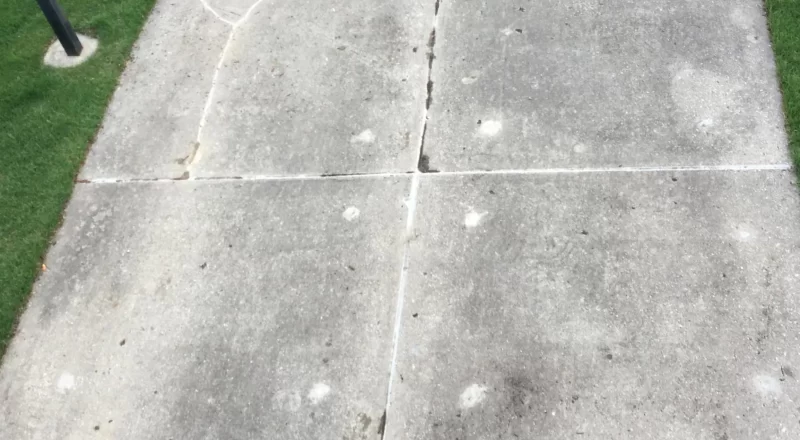
Concrete is a tough and versatile material used in concrete driveways, sidewalks, patios and industrial floors. But over time it gets dirty, grimy, oily stains, rust stains, stubborn stains and other contaminants. Professional concrete cleaners use specialized techniques, equipment and cleaning solutions to get the job done fast. This article will look at the methods professionals use to clean concrete and keep it looking new.
Cleaning Methods Used by Professionals
Pressure Washing Concrete
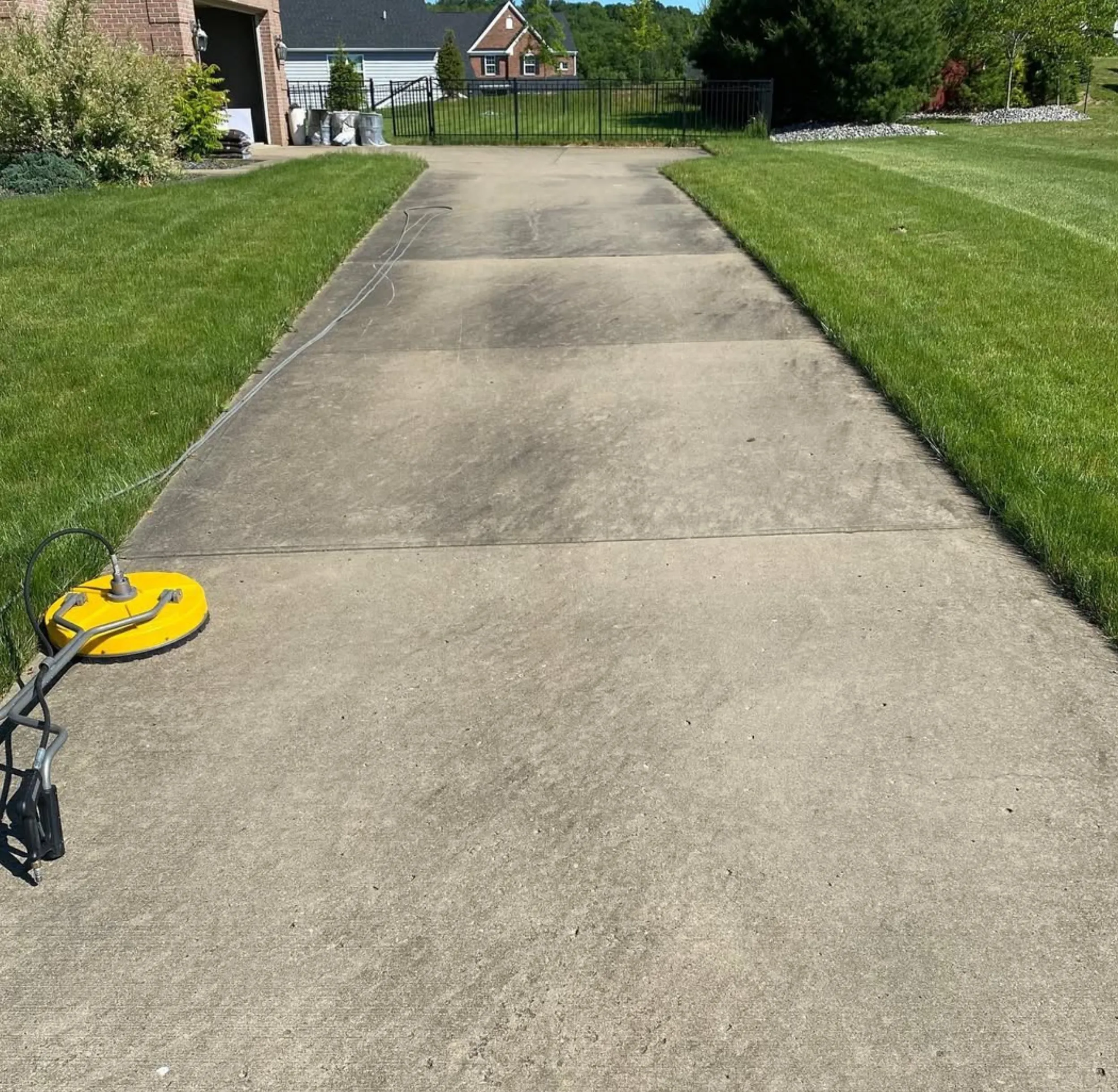
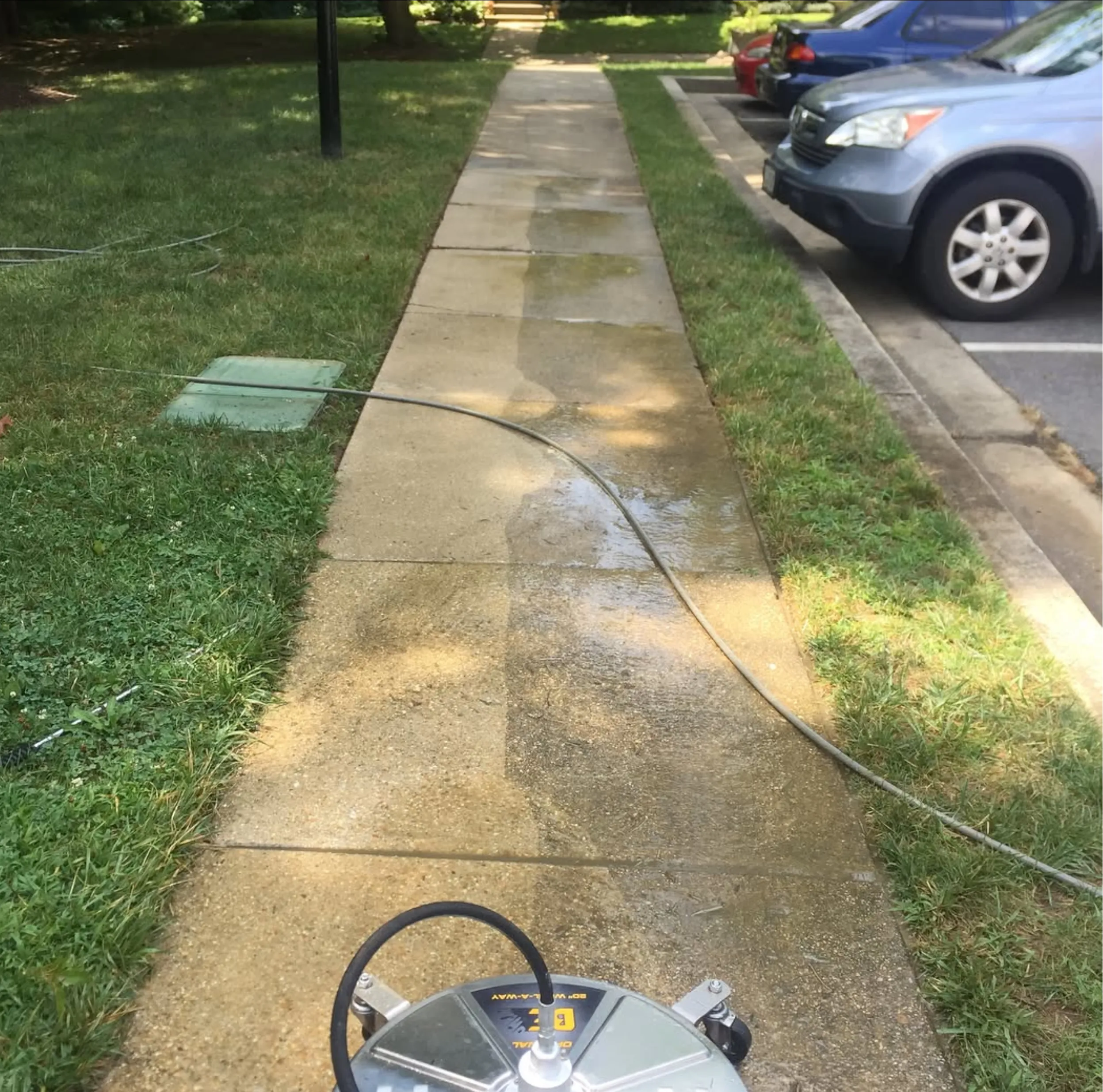
One of the most common and effective methods is pressure washing. A high powered power washer, typically between 2,000 and 4,000 PSI, blasts away loose dirt, grease stains and tough stains without damaging the concrete surface. Outdoor pressure cleaning is great for large areas like driveways and patios so you get a deep clean.
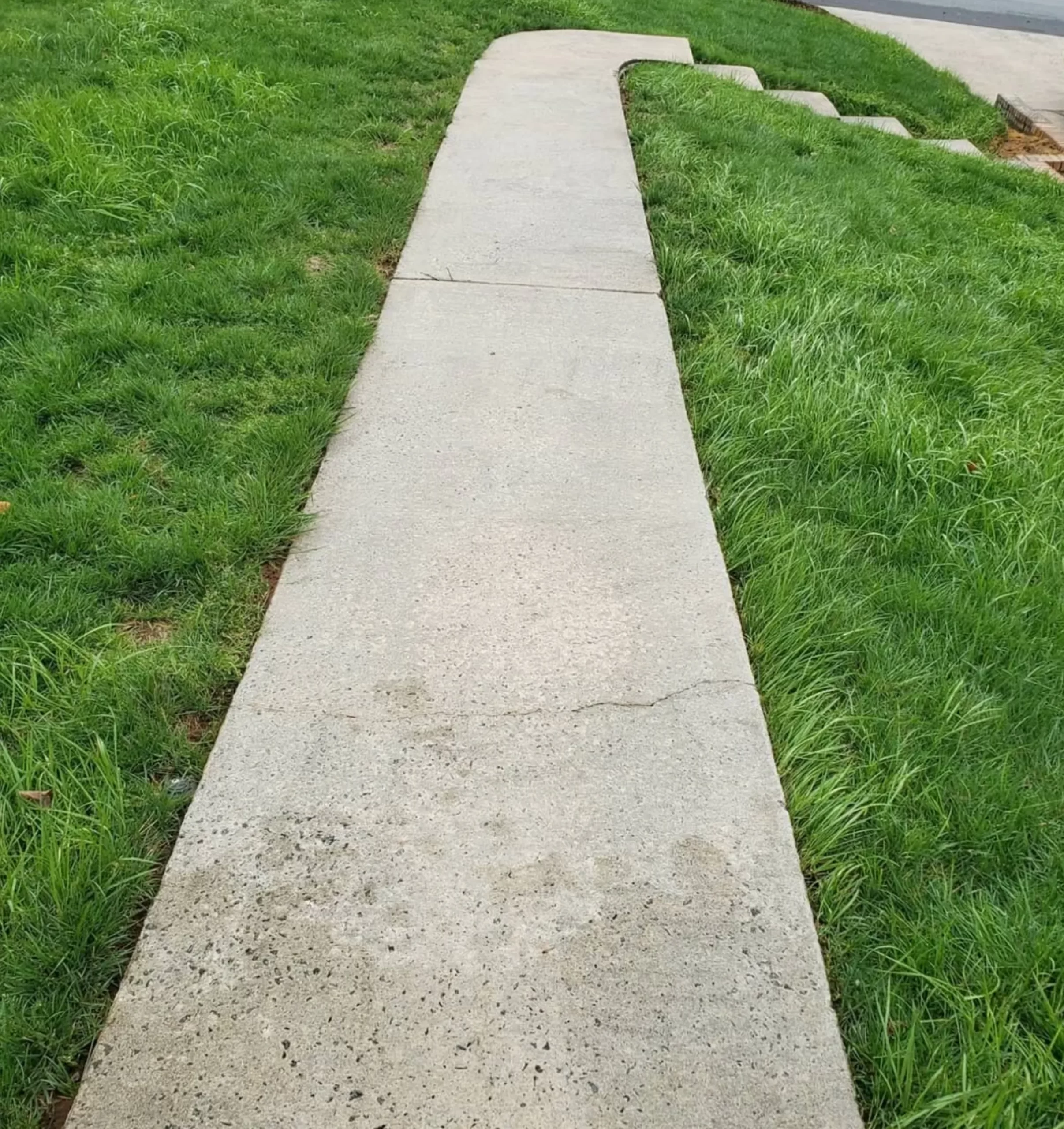
- Cold Water Pressure Washing – For everyday dirt, mildew stains and algae from surfaces.
- Hot Water Pressure Washing – Better for breaking down oil stains and grease stains.
- Surface Cleaners – Large rotating attachments that give an even clean and prevent streaks.
- Turbo Nozzles – Enhance the pressure cleaning service by delivering a concentrated stream of water.
Chemical Cleaning Agents
When pressure washing alone isn’t enough, professionals use industrial grade chemicals to break down tough grime. Here are some common cleaning agents:
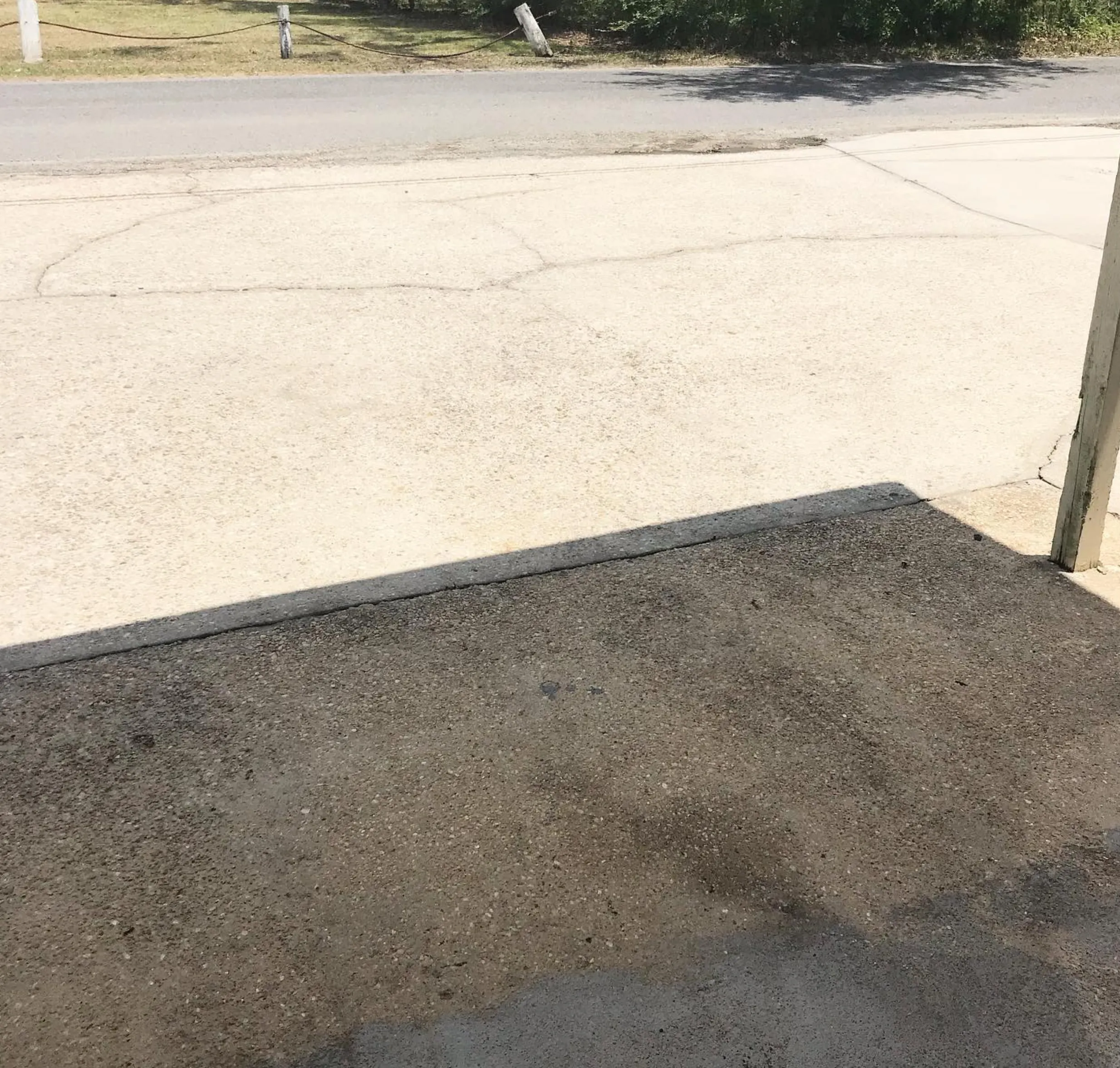
- Degreasers – For oil stains and grease stains on concrete floors and driveways.
- Acid-based Cleaners (Muriatic Acid, Oxalic Acid, Phosphoric Acid and Carbonic Acid) – For etching concrete stains and removing rust stains, inorganic stains and paint stains.
- Alkaline Cleaners – Neutralize acidic spills and break down organic stains.
- Biodegradable Cleaners – A safe and eco-friendly option for nearby plant life and cleaning.
Cement cleaning is necessary when removing built up grime and stains from older or untreated concrete surfaces. Using the right combination of cleaning solutions keeps the concrete structurally sound and looking good.
Steam Cleaning
Steam cleaning or hot water extraction uses warm water at high temperatures to break down dirt, oil stains and tough stains. This method is great for industrial cleaning and removing graffiti and algae from surfaces.
Abrasive Cleaning (Sandblasting & Shot Blasting)
For deep cleaning and surface restoration:
- Sandblasting – A high pressure stream of sand removes tough stains and prepares the concrete for a coating.
- Shot Blasting – A more controlled method using steel shots for large areas.
Concrete Sealers and Coatings
After cleaning, pros usually apply a concrete sealer to protect the concrete from future stains, moisture penetration and weather damage. Sealers can be:
- Penetrating Sealers – Absorbs into concrete and provides long lasting protection.
- Acrylic Sealers – Creates a protective film on the surface and enhances curb appeal.
- Epoxy Coatings – Used in garages and industrial spaces for superior stain resistance and bright look.
Specialized Cleaning for Different Stains
- Grease Stains & Oil Stains: Pros use a commercial degreaser, hot water pressure cleaning and absorbent materials like cat litter.
- Rust Stains: Acidic pH chemicals like oxalic acid dissolves rust stains without harming the concrete surface.
- Mold and Mildew Stains: A combination of chlorine bleach, soft-bristled brush and pressure washing gets rid of organic growth.
- Paint Stains and Graffiti: Pros may use chemical treatments, steam cleaning or abrasive methods to remove graffiti.
Routine Maintenance and Cleaning Process
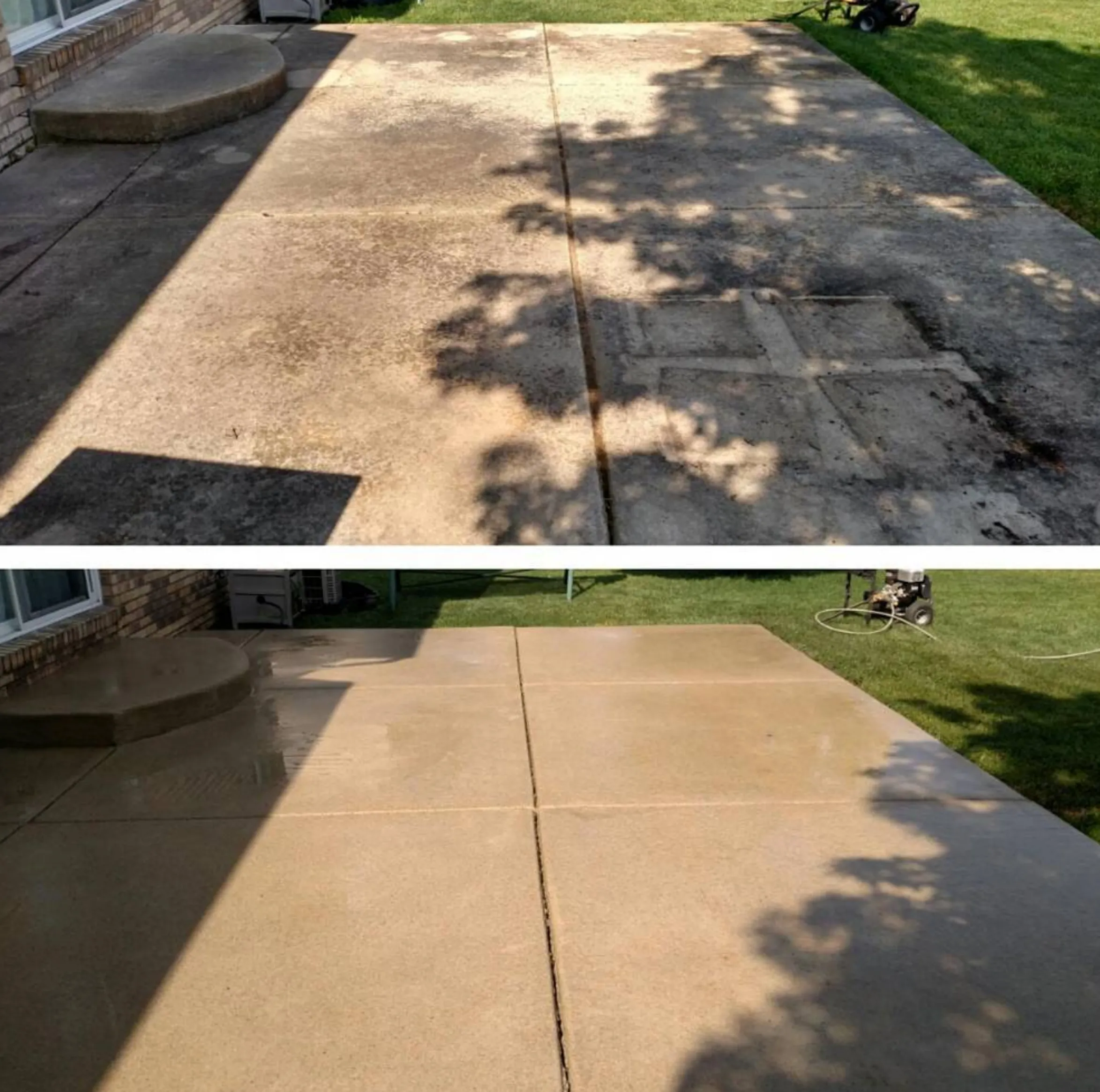
Regular maintenance keeps concrete surfaces looking new. Pros recommend:
- Basic Cleaning – Using a mild cleaning solution like dish soap and a stiff-bristled brush for light cleaning.
- Heavy Cleaning – Power washing with a pressure washer and specialized equipment.
- Step Guide for DIY Cleaning – Using a scrub brush, garden hose, bleach solution and a spray nozzle to remove surface dirt and loose debris.
- Preventative Measures – Sealing concrete, avoid unnecessary damage and cleaning with a mild detergent.
House washing services includes concrete patio and driveway cleaning as part of their overall outdoor maintenance package. This way you can keep all your exterior surfaces looking new.
Conclusion
Professional concrete cleaning involves a combination of high powered equipment, industrial strength chemical and proven techniques to get the best results. Whether it’s a concrete patio, driveway or commercial cleaners for large areas, experts tailor their pressure cleaning method to the type of stain and surface. Regular cleaning and maintenance equipment ensures the surface stays in top condition for years to come.
FAQ
What’s the best way to clean concrete?
It depends on the type of stain and surface condition. Pressure washing, chemical treatments and steam cleaning are the most effective methods.
Can I clean concrete myself without professional equipment?
Yes, you can use a garden hose, mild detergent, scrub brush and white vinegar for basic cleaning. But stubborn stains may require special equipment or professional cleaning services.
How often should I clean concrete surfaces?
For maintenance, concrete surfaces should be cleaned at least once or twice a year. High traffic areas may need more frequent cleaning.
What chemicals do professionals use to remove oil and grease stains from concrete?
Professionals use industrial strength degreasers, alkaline cleaners and hot water pressure washing to break down oil and grease stains.
Does sealing concrete help in keeping it clean?
Yes, applying a concrete sealer helps protect against stains, moisture damage and weather exposure making regular cleaning more effective and extending the life of the concrete.