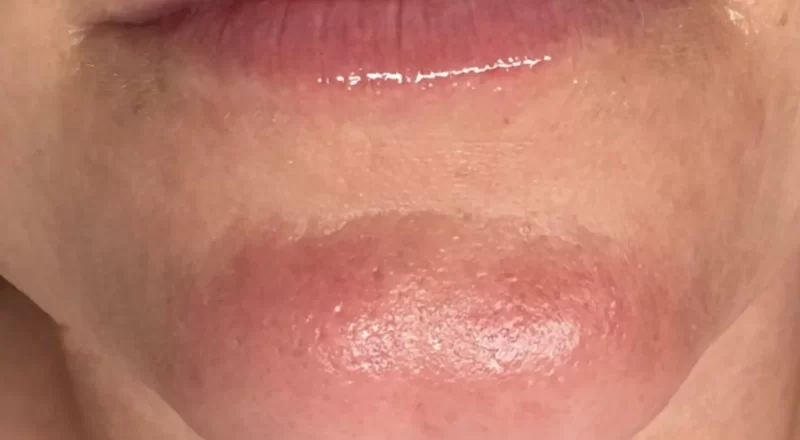
Are professional extractions safe? – a question I’ve heard time after time at The Facial Hub, and today I’m going to make sure you know the answer right from the start. My name is Sevine Forster, with nearly two decades of experience in skin therapy, from London’s top Mayfair spas to setting up my own clean-beauty studio in the hot & steamy Brisbane. I’ve seen for myself the difference between doing extraction, comedone removal, and facial treatments right and doing them wrong.
We often use extraction services as a springboard to give the skin an extra boost, like with our lift & sculpt facial at The Facial Hub. – It helps calm the skin down after we’ve cleared out the congestion.
Think of this guide as a chat with me in my treatment room – honest, straightforward and genuinely informed by the science and my own real-world experience. We’re going to be talking about dead skin cells, pore size, skin sensitivity, follicle health, and basically what makes extraction a safe part of a professional treatment.
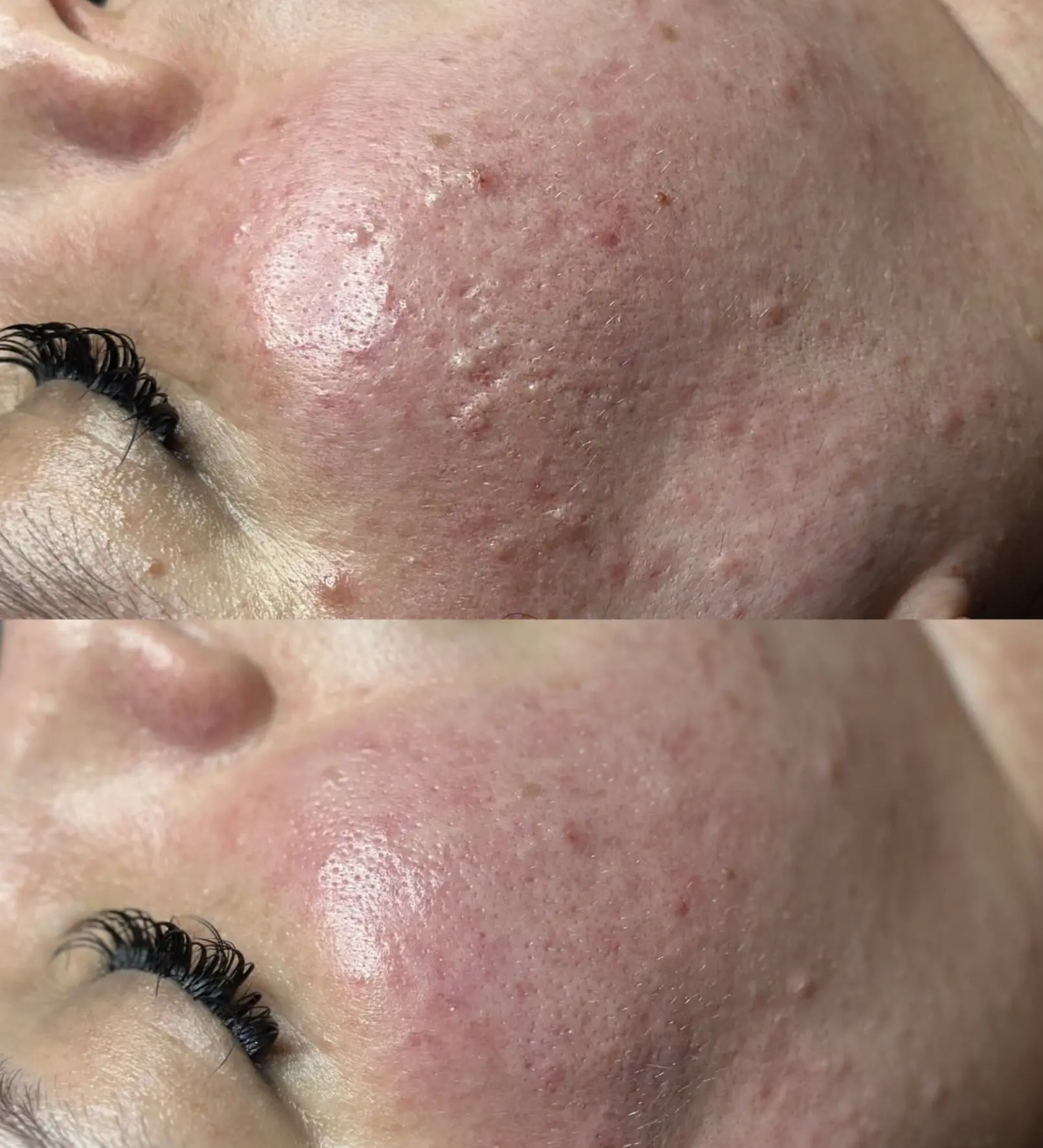
The Role Extractions Play In Skin Health
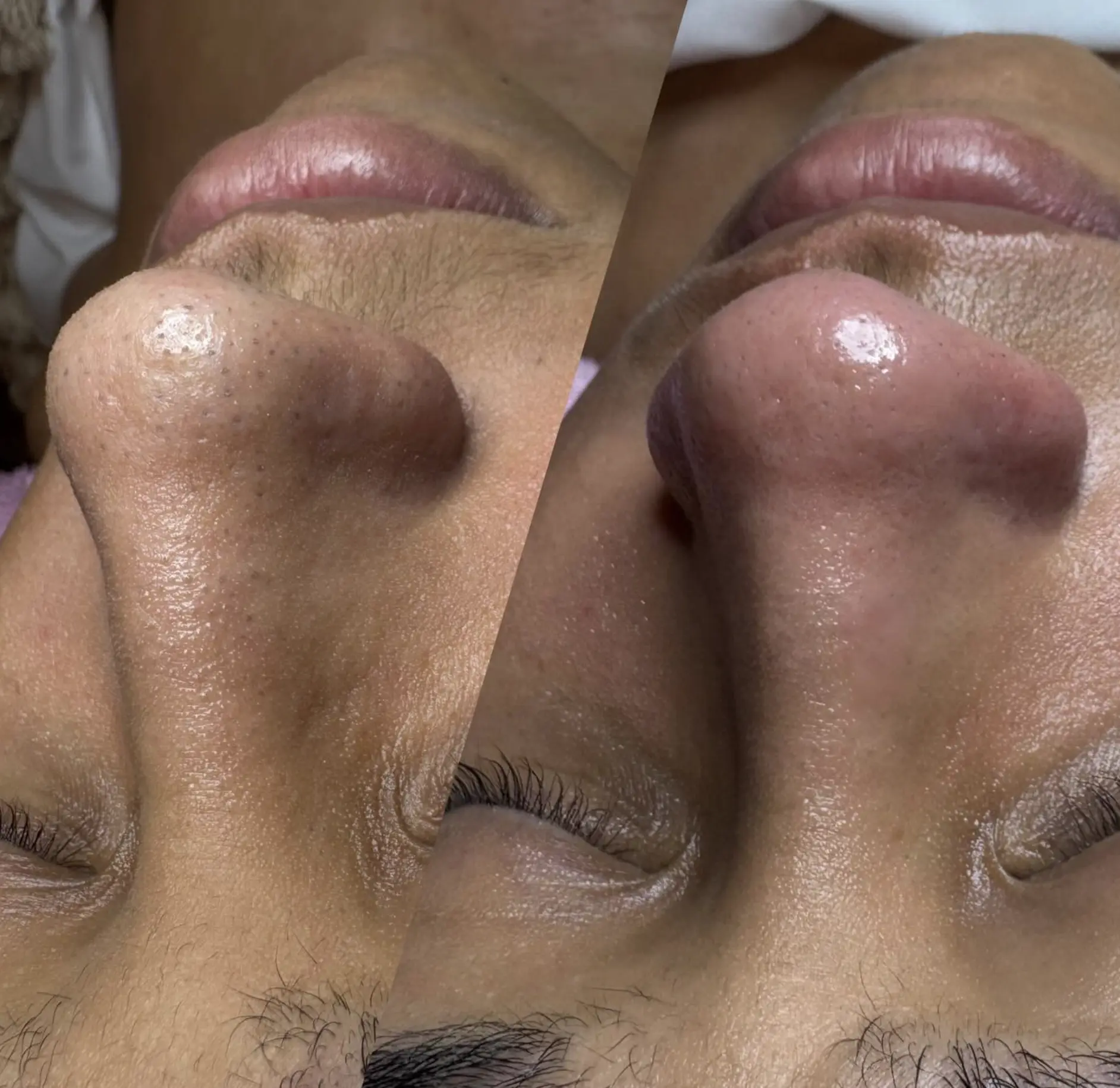
Extractions are all about getting rid of the congestion in your pores – the blackheads, the sebaceous plugs and the gunk that builds up inside your pilosebaceous unit. When unclog pores, unclogging post-inflammatory hyperpigmentation from setting in. But when you try to do them at home, the risk of damage increases significantly receive here is what sets us apart from the potential damage that can occur when.
Many people who come to see us at The Facial Hub for extractions also book in for microdermabrasion to give their skin a texture boost and help their skincare products absorb more effectively.
Let’s set the scene now: extractions aren’t a form of punishment for having “bad skin” – they are a kind of reset for the skin. In Brisbane, where humidity and heat can wreak havoc on skin and people have different skin types, extractions are key to keeping congestion away long-term.
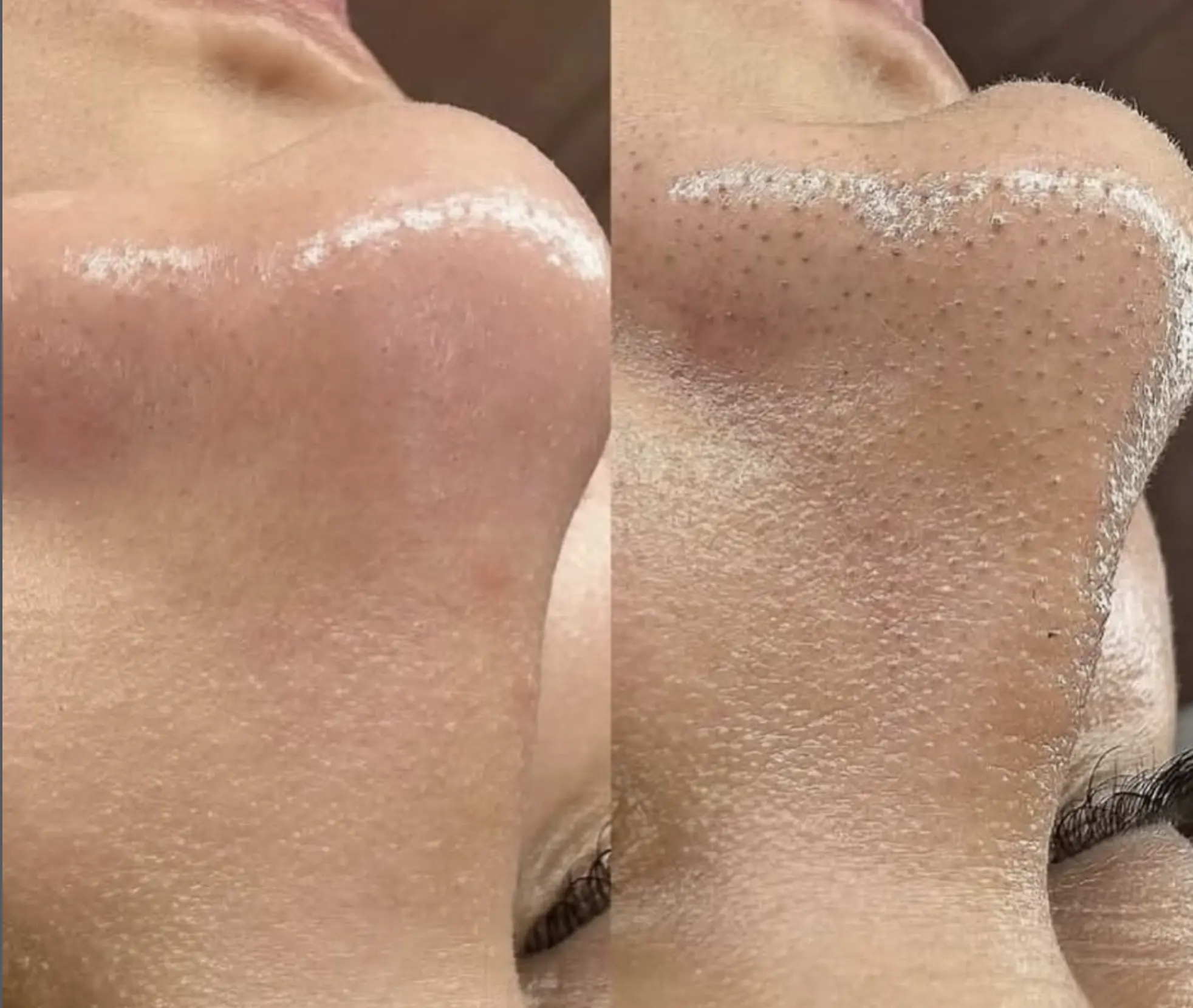
What Protects You During A Proper Session?
When you come in for professional extractions, we take hygiene very seriously to ensure your safety. Here at The Facial Hub in Brisbane, we use sterile instruments, UV sterilisation, and single-use items such asspecialised gloves and a tool designed to get the job done without causing damage, so I can apply the right amount of pressure without tearing your delicate skin with humidity and heat can wreak havoc on skin and people have different skin types, extractions are sterile lancets. We work with controlled pressure, stabilise the skin, and remove only the congestion, and when the skin is ready to release.
Some people choose to book in for cryotherapy at The Facial Hub in Brisbane to help calm things down a bit – it really helps to reduce redness.
The level of care you receive here is what sets us apart from the potential damage that can occur when you try to extract your pores at home.
Why Squeezing Your Own Skin Backfires
You might be tempted to squeeze out those pesky pimples in the bathroom mirror – until you see the disaster unfolding afterwards. The truth is, DIY squeezing is often a recipe for disaster – as evidenced by the following problems that can pop up:
- Force bacteria deeper into the follicular openings
- Trigger longer-lasting acne breakouts
- Cause broken capillaries or dents
- Lead to pigment marks, especially under strong Queensland UV
- Create trauma that slows healing for weeks
During hotter months, many people book relaxing facials with The Facial Hub Brisbane after their skin becomes irritated from picking or over-exfoliating. Now, according to a dermatology report from 2026, it turns out that more than half of all extraction-related scarring isn’t even because of a dodgy professional – but because you tried to do it yourself in the first place.
How A Professional Clears Congestion Safely
You’re lying there in the treatment room, feeling pretty relaxed – and then this is what happens:
- First off, we start with a non-irritating cleanse to get your skin ready for what’s to come
- Then we use gentle enzyme softeners or warm steam to loosen the congestion so it’s easy to remove.
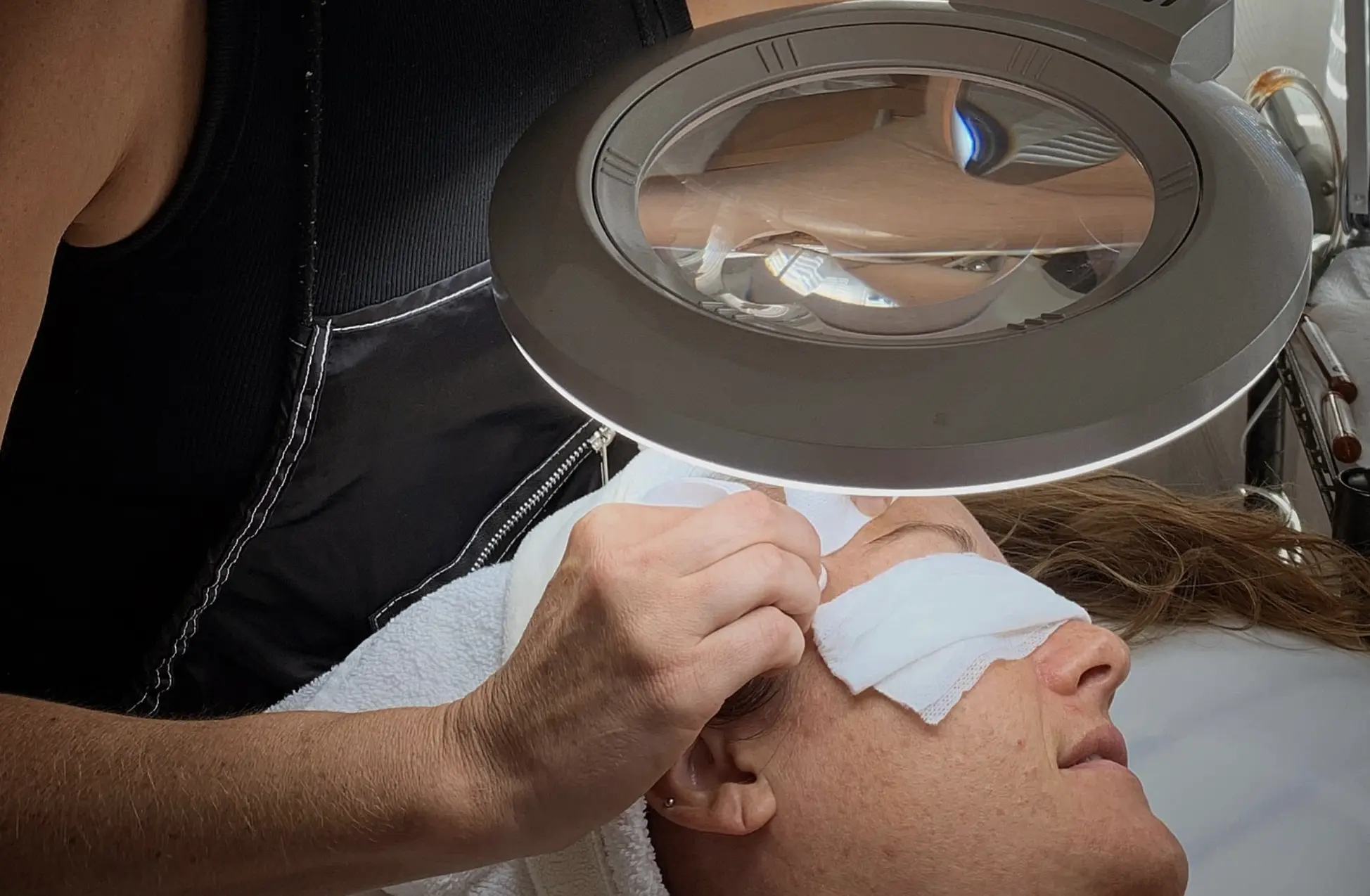
- Before I even think about picking anything, I take a close look at your skin – that means assessing the pore activity, checking out any inflammation and getting a good read on your skin type.
- I use specialised gloves and a tool designed to get the job done without causing damage, so I can apply the right amount of pressure without tearing your delicate skin.
- And to top it all off, I finish with some treatments that’ll really help calm your skin down – think LED light therapy, some cooling botanicals and a post-extraction treatment that’s tailored to your skin needs.
Some clients follow this phase with cryotherapy in Brisbane at The Facial Hub or lymphatic work, depending on their needs.
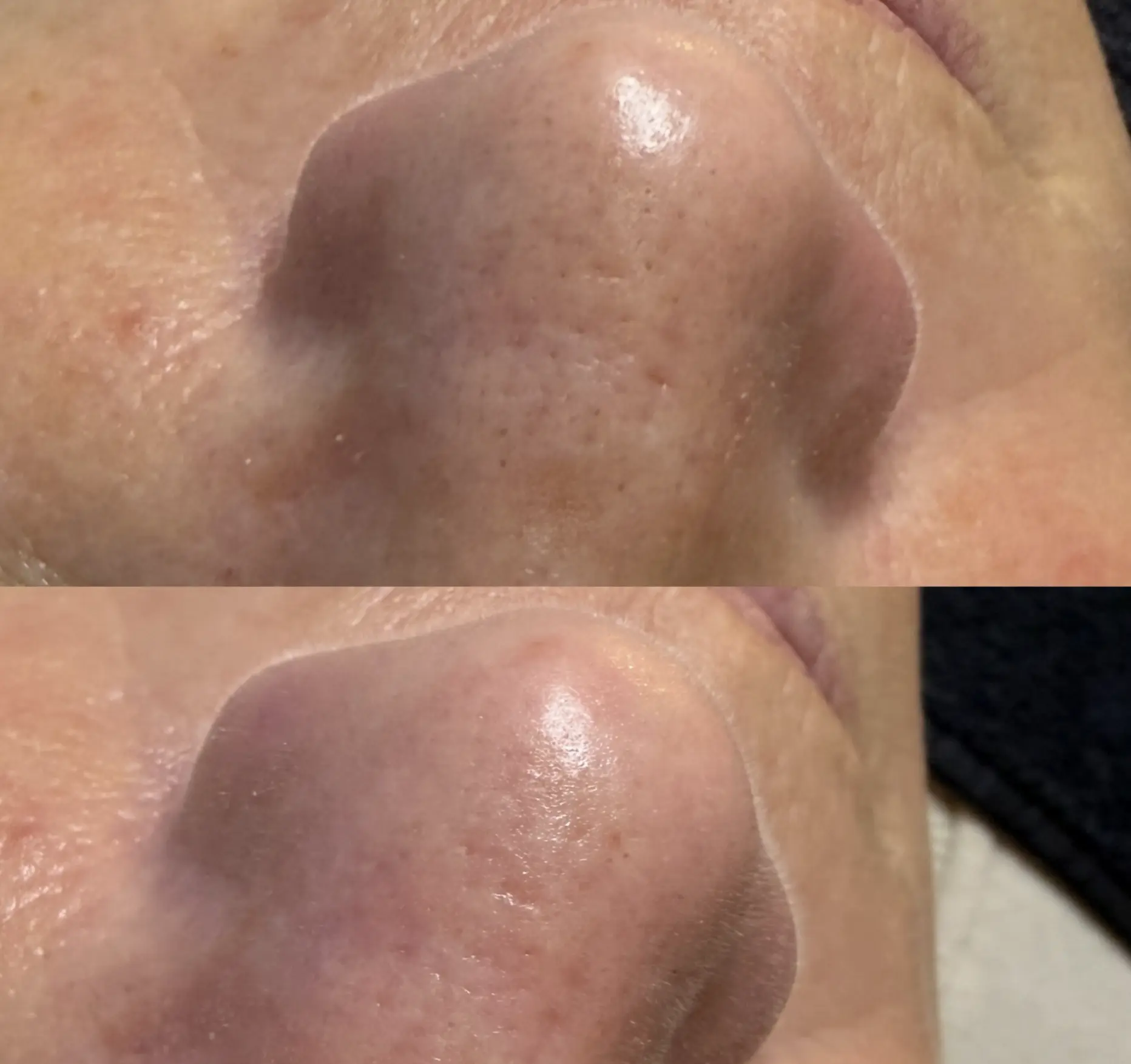
A Quick Comparison Table
| Feature | Professional Extraction | At-Home Squeezing |
|---|---|---|
| Hygiene | Sterile tools , UV-sterilised equipment | Fingers + bacteria |
| Prep | Enzymes, steam, skin assessment | None |
| Pressure | Controlled angles, safe technique | Too deep/sideways |
| Risk Level | Low with trained care | High for scarring |
| Aftercare | LED, soothing serums, post-treatment care | None |
The difference lies not in how many pores get emptied, but in how safely the skin is treated throughout the process.
Who Benefits From Work
People with oily, combination, or sweat-prone skin, or who constantly slather on sunscreen, often see noticeable results quickly from tailored pore-clearing. For those with dry or sensitive skin, there are still benefits to be had – but they may only be able to handle a few extractions per session, and we’ll pay extra close attention to supporting their skin’s natural barrier.
If someone is acne treatments using salicylic acid, benzoyl peroxide or prescription vitamin A, their skin might experience some purging.
Extractions can have a significant impact, but timing and technique must be in sync with the skin’s condition.
Preparing Your Skin For A Gentle Experience
A few small tweaks can make a huge difference:
- Avoid acids and scrubs for 3 days before your appointment.
- Try to avoid getting sunburned or overheating beforehand.
- Moisturise with some hydrating goodness like hyaluronic acid.
- Keep your skincare really simple – leave off any harsh actives.
When your skin is hydrated, congestion comes out more easily, making the process smoother, faster, and more comfortable.
Caring For Your Skin Afterwards
Recovery from an extraction session is usually pretty mild, especially when you’re in the hands of a trained skincare specialist. You might get a bit of pinkness – totally normal and usually only temporary.
For 12-24 hours after, try to avoid:
- Going to the sauna or sweating it out at hot yoga
- Heading to the gym
- Wearing makeup
- Touching or squeezing the skin again – trust me, it’s better not to
LED light therapy and some gentle cooling treatments can really help reduce inflammation, and using medical-grade, non-comedogenic products to protect the skin’s barrier is key. Many of my clients like to follow it with a post-treatment facial massage to promote blood flow and relieve tension.
Extractions For Sensitive Or Reactive Skin
It’s absolutely possible to do extractions on sensitive skin – provided you go at a snail’s pace and support the skin’s natural balance with some calming ingredients and a focus on keeping the barrier healthy.
I’ve been there myself with hormonal skin – I understand how unpredictable reactive skin can be, and just how important it is to protect its integrity.
2026 Trend Insight
We’re seeing a significant shift toward gentler, low-trauma extraction methods at aesthetic clinics and medical spas this year. And, judging from the data from The International Aesthetics Report (2026), it’s no surprise – clients are requesting extraction practices that put their skin’s health front and centre – up a 40% by last count.
At The Facial Hub, this is right up our street, with our whole clean-beauty approach centred on long-term skin resilience over aggressive clearance.
A Final Word From My Treatment Room
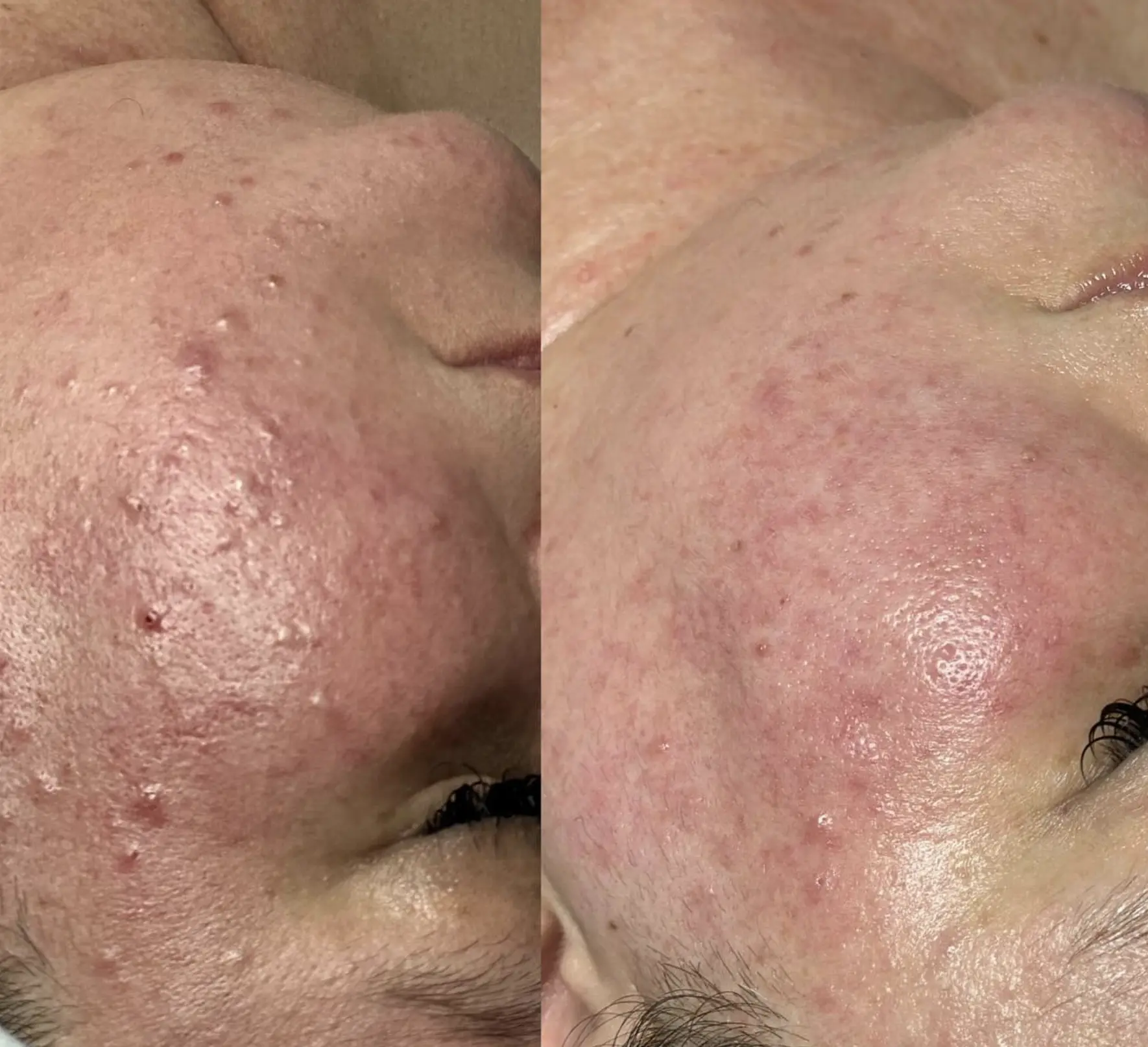
Extractions aren’t inherently harmful – as long as they’re done by someone who really knows what they’re doing, with proper technique and care for the skin. When you come and see me at The Facial Hub, I’m not just clearing out pores – I’m working to support your skin’s barrier function, boost your confidence and give you long-term skin rejuvenation.
Thinking about trying extraction-based treatments? Want to talk through whether they’re right for you?
Just pop into The Facial Hub, and we’ll have a chat.
FAQ
Do extractions hurt?
To be honest, they can feel a bit icky – especially if your pores are clogged up – but if we prep properly and do things gently, it’s usually okay.
How often should I get extractions?
If you have congested skin, every 4-6 weeks is a good place to start, but it really depends on your skin type, lifestyle, and other factors.
Can extractions cause scarring?
Not if done properly, they can’t. Mostly, it’s just when people try to squeeze blackheads at home with the wrong tool, wrong pressure, that the scarring comes in.
Will my pores look smaller?
Yep – once the debris is cleared out, pore shadowing reduces, and your skin just looks better in general – even your pores seem smaller.
Can I have extractions with chemical peels or light therapy?
You can – it all depends on your skin, but LED can actually be pretty useful after an extraction, and peels can be part of a bigger long-term skin care plan.