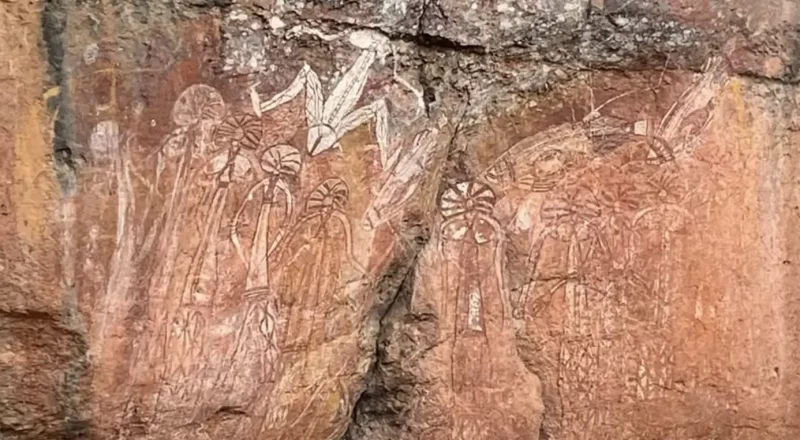
Kakadu National Park, one of Australia’s most prized UNESCO World Heritage-listed national parks, is not only a stunning landscape—it’s also a place of great cultural significance for its First Peoples. But what does Kakadu mean in Aboriginal? The name “Kakadu” has an origin that links directly to an Indigenous language, giving us a glimpse into the ancestral lands and rich Indigenous culture that cover this big country.
Located in the Top End of the Northern Territory, near Arnhem Land, Alligator Rivers and stretching towards the Indonesian archipelago, Kakadu is home to ancient rock art, lush wetlands like Yellow Water Billabong and sacred sites managed by Traditional Owners in partnership with Parks Australia.
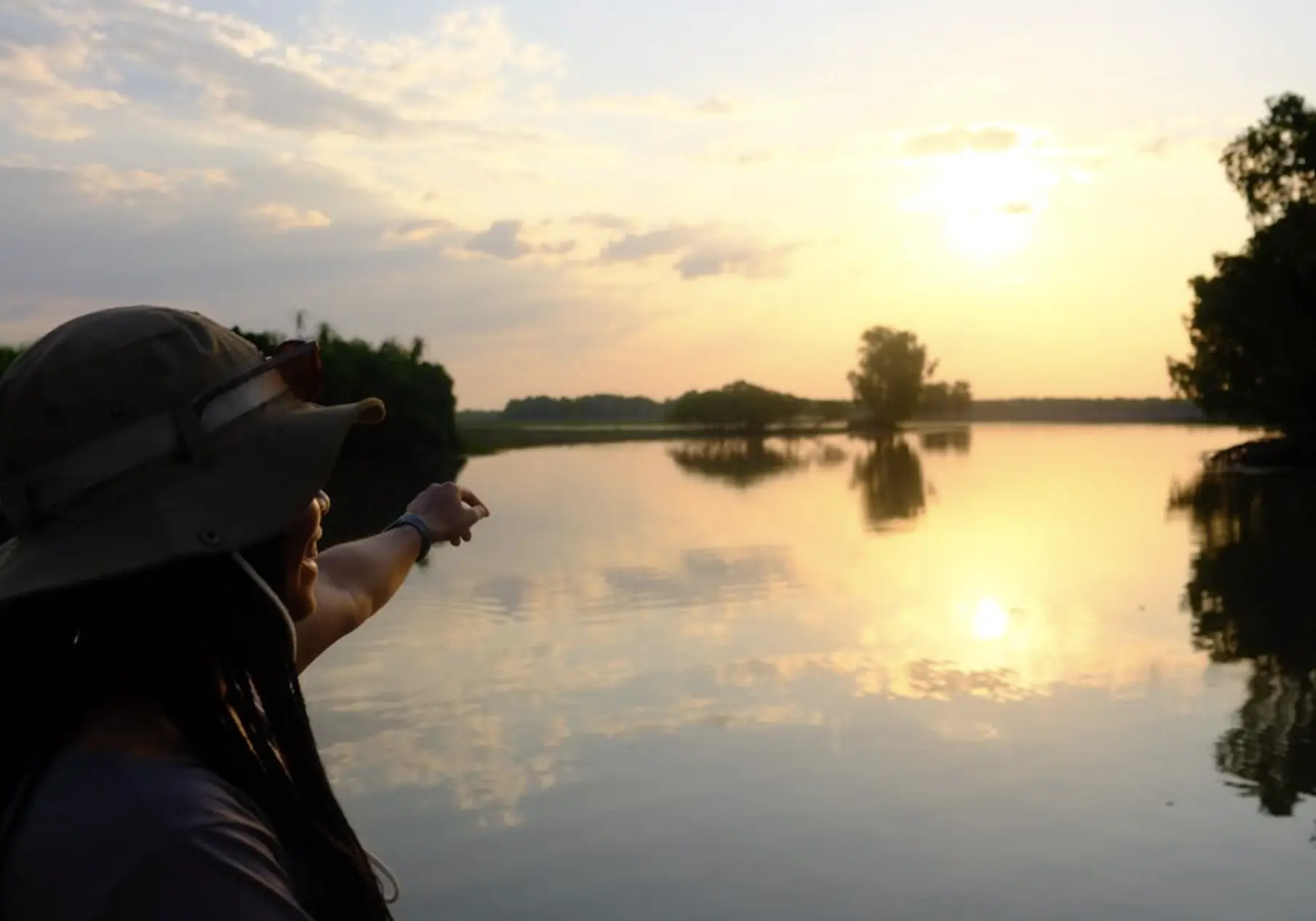
Whether you’re planning a Darwin to Kakadu day trip or multi-day adventure, knowing the meaning behind “Kakadu” adds depth to your journey.
The Meaning of the Name “Kakadu”
The word Kakadu comes from the Gagudju language, once spoken by First Peoples in the northern part of the park. This Indigenous language was misunderstood by early European settlers, including those involved in British settlement, and was eventually mispronounced and anglicised into “Kakadu.” Although Gagudju is now considered a dormant language, its legacy lives on in the name of one of the world’s most famous national parks.
Many Kakadu tours include cultural experiences that delve into the park’s linguistic and historical background so you can connect with the land and its people.
The Cultural Significance
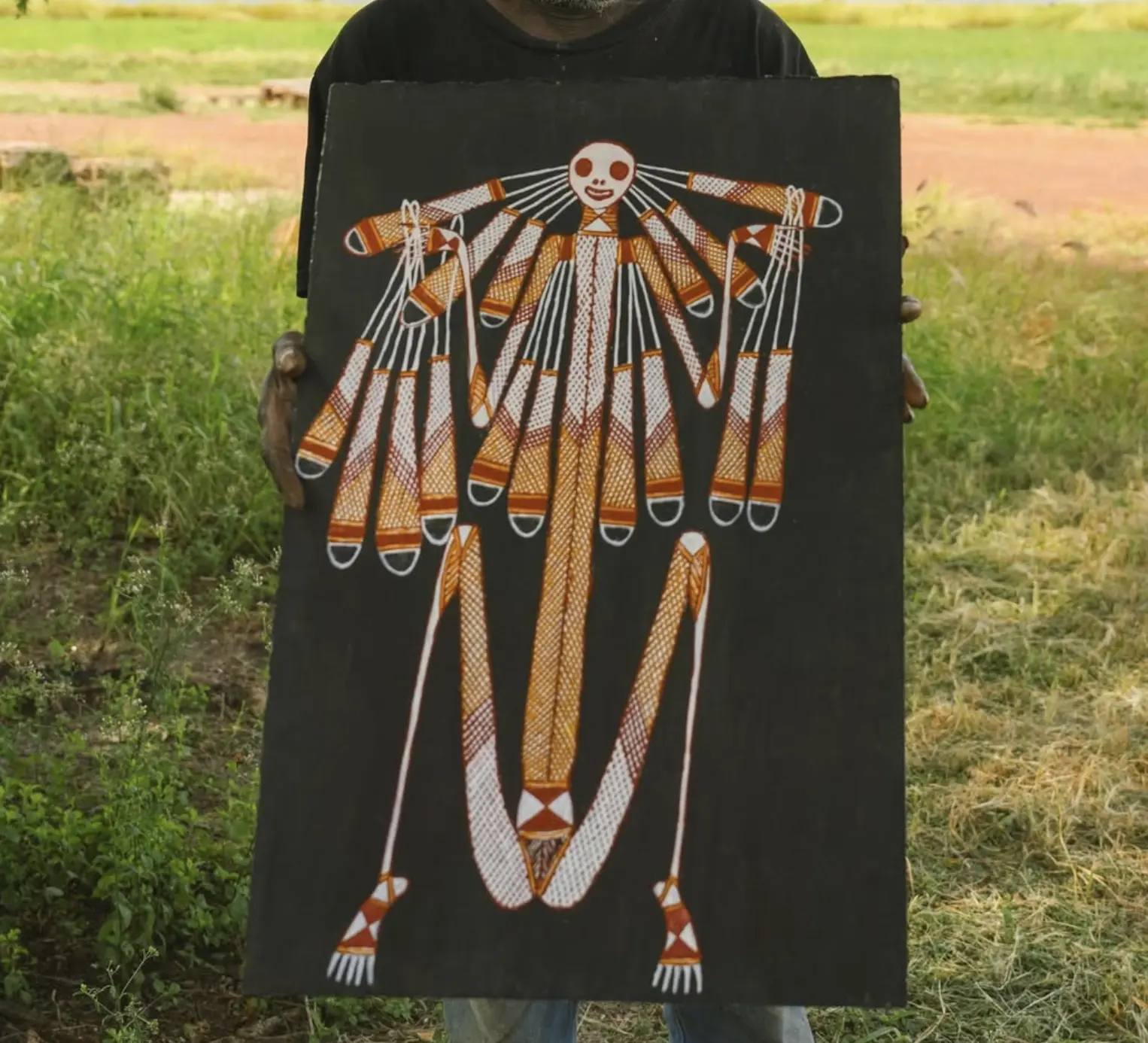
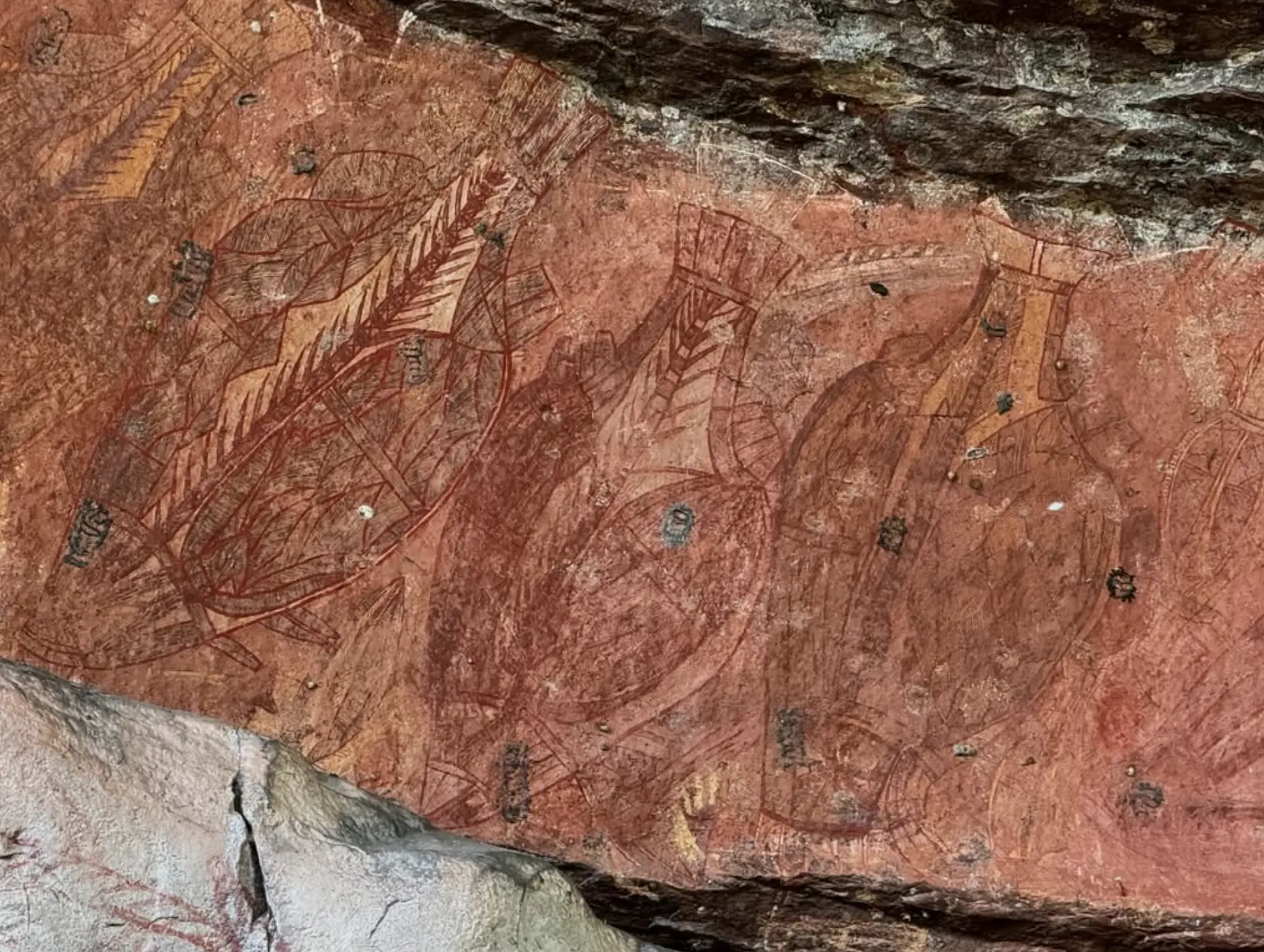
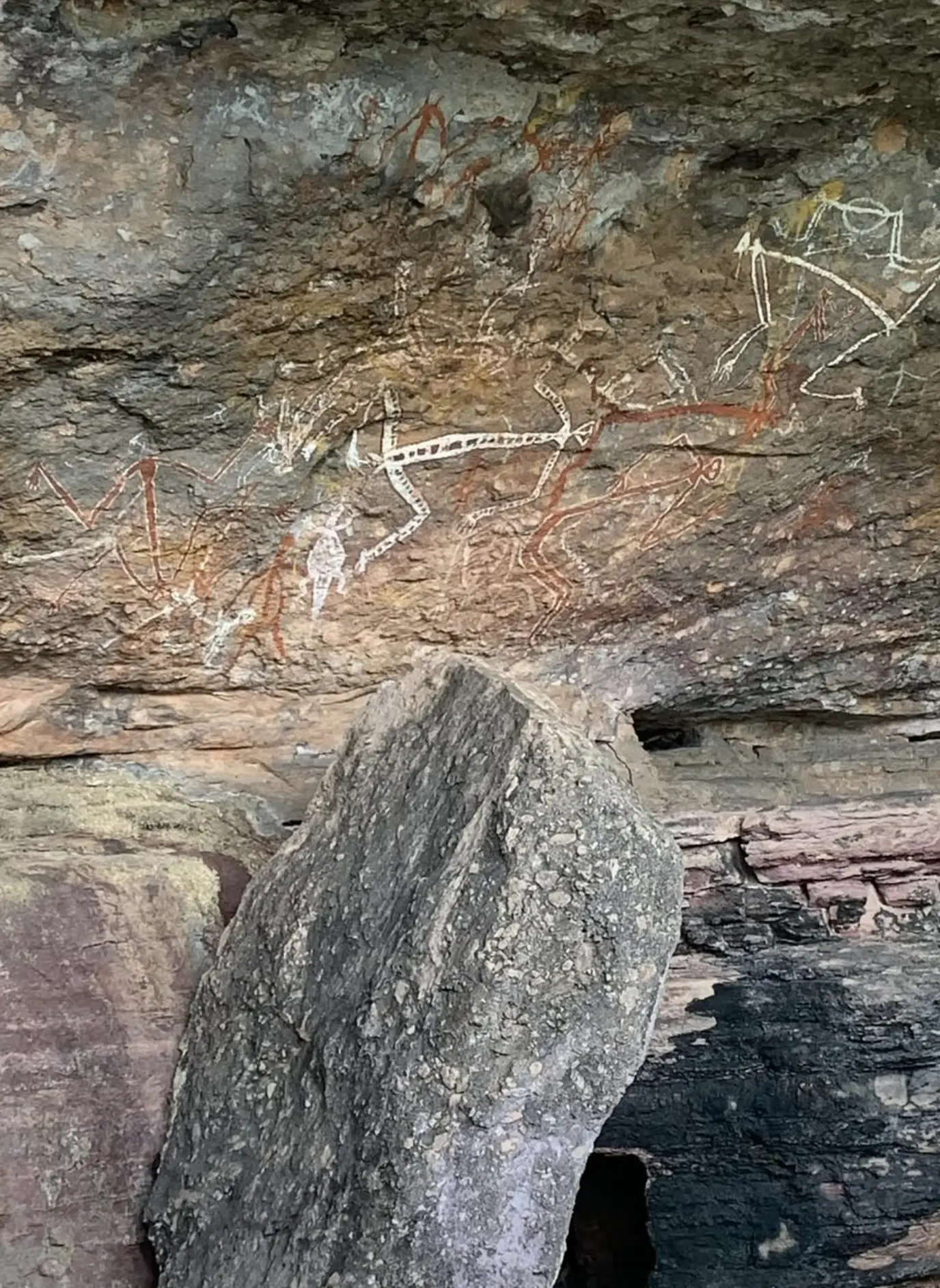
For the First Peoples of Kakadu, the land is alive with the presence of the Dreamtime—a spiritual realm where Indigenous legends explain the creation of the world, rivers, animals and sky. Sites like Nourlangie Rock and Ubirr showcase some of the most incredible Aboriginal rock art in the world, depicting deceased persons, spirit ancestors and community leaders from thousands of years ago.
Joining a Kakadu day tour is a great way to see these cultural treasures up close. Many guided tours include storytelling by Traditional Owners, so you can learn about the Indigenous cultures that have thrived here for over 65,000 years.
Aboriginal Languages
Gagudju is no longer spoken, but other Indigenous languages are still alive in the region, including Kundjeyhmi, Kunwinjku, and Jawoyn. These languages hold cultural significance with traditional knowledge of the environment, spiritual beliefs and kinship systems like skin names.
Some Kakadu day tours visit Aboriginal cultural centres or communities where language, art and storytelling is shared, where you can learn directly from the Traditional Owners.
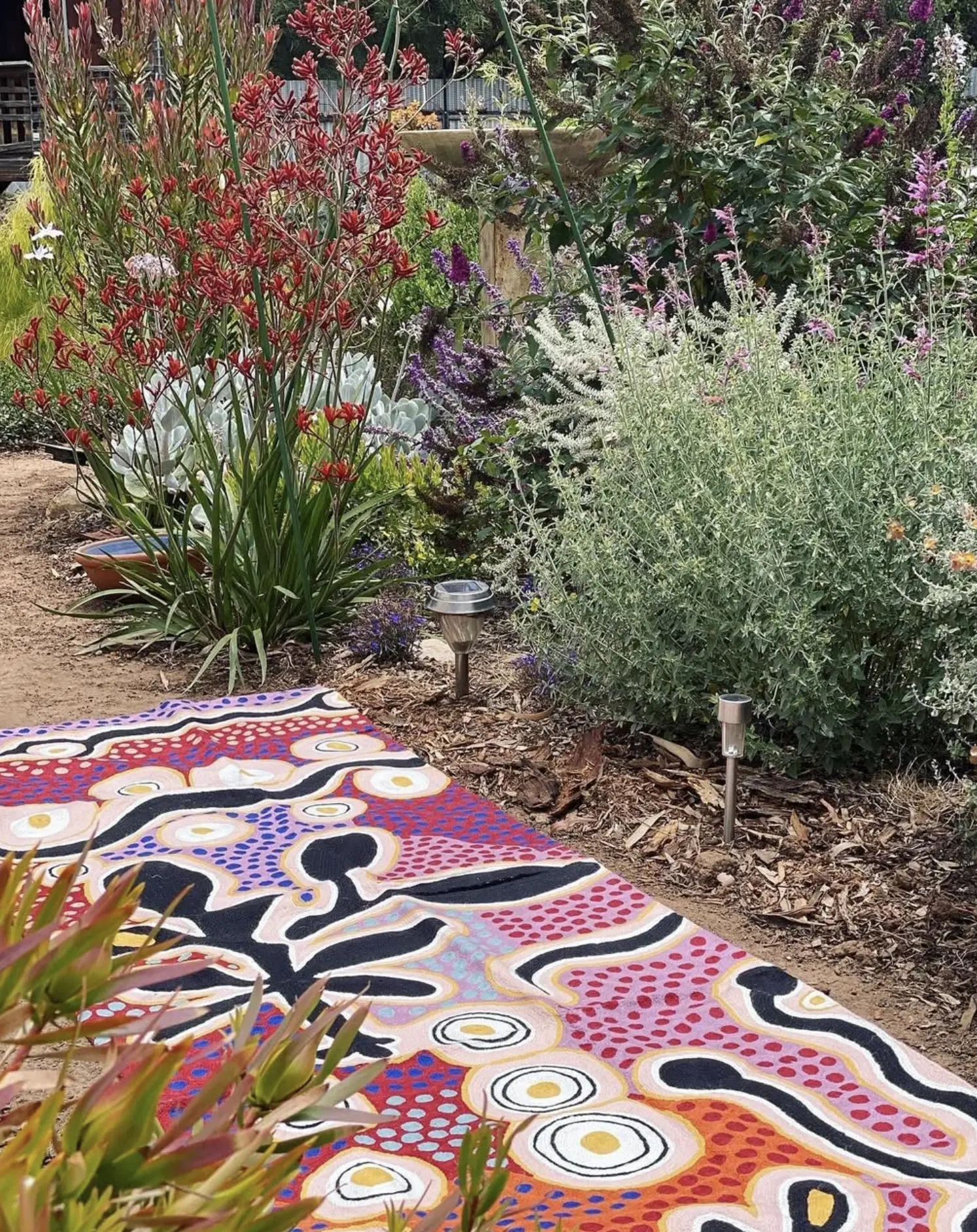
Visiting Kakadu with Cultural Respect
Visiting Kakadu is entering a living cultural landscape. The park is co-managed by Parks Australia and the Aboriginal owners so that non-Aboriginal people can experience the land in a respectful and informed way.
To visit with cultural awareness:
- Join Kakadu tours led by Traditional Owners or approved guides.
- Don’t visit closed or sacred sites, which may include Aboriginal place names not publicly shared.
- Don’t photograph sacred art without permission.
- Learn about Dreamtime stories, wildlife and customs through a guided Kakadu tour.
- Understand the local environment—look out for Asian water buffalo, community dogs and tidal areas like Yellow Water and the Mary River.
Whether you’re taking a Kakadu day tour from Darwin or staying multiple nights in the park, travelling with respect will enhance your experience and support Aboriginal communities.
Quick Facts for Travellers
- Location: Northern Territory, near Arnhem Land, Adelaide River, Roper River
- Size: 19,804 km²
- Key Attractions: Yellow Water Billabong, Nourlangie Rock, Ubirr, Jim Jim Falls
- Best Time to Visit: Dry season (May to October) for wildlife and access; wet season (November to April) for waterfalls and vibrant landscapes
- Wildlife: Saltwater crocodiles, wallabies, migratory birds, barramundi
- Managed by: Parks Australia and the Traditional Owners
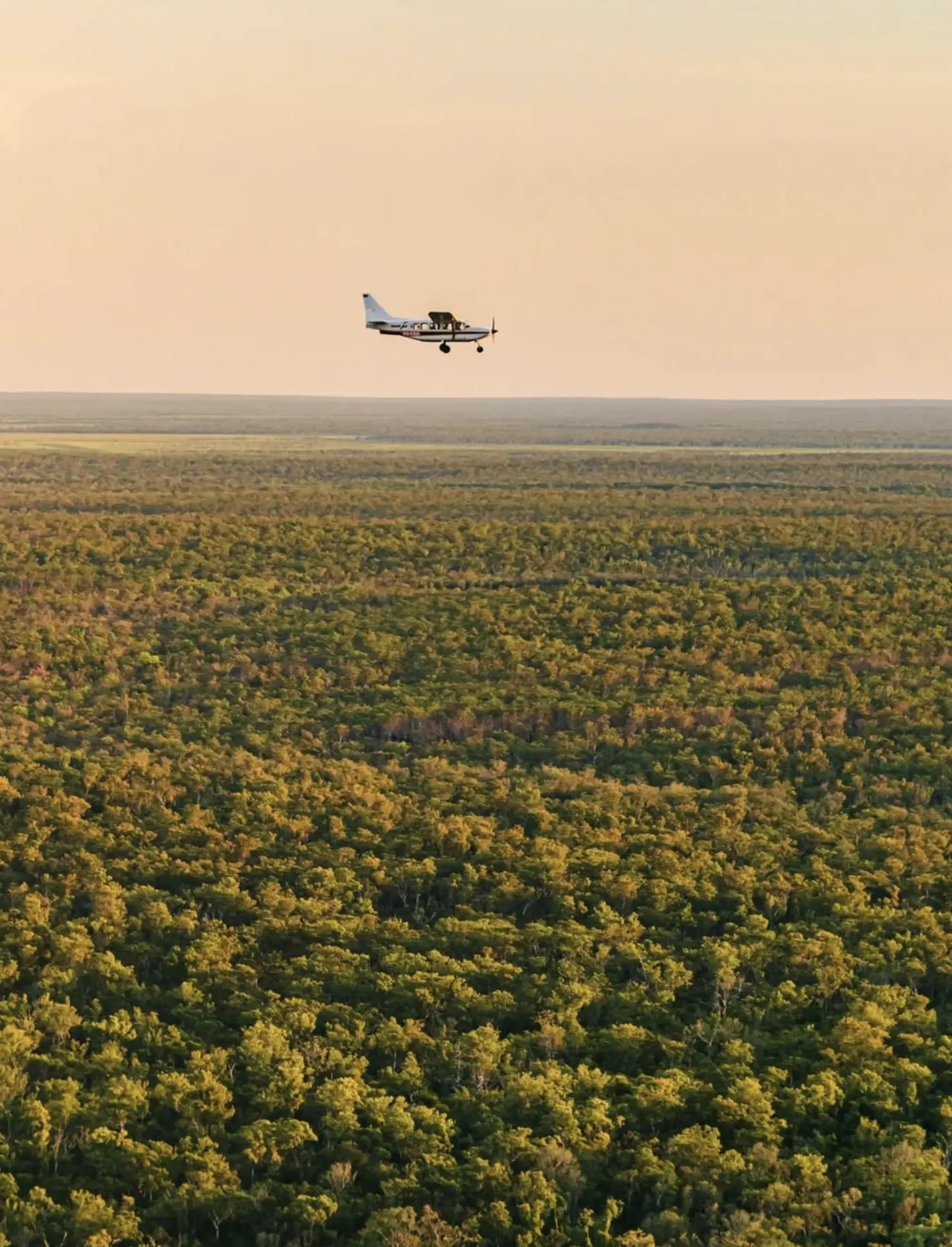
- Tour Options: Kakadu day tours, cultural experiences, 4WD safaris, and scenic flights
Conclusion
Kakadu is more than a name – it’s a gateway to an ancient world of Aboriginal legends, Indigenous languages and ancestral knowledge. Understanding what it means deepens our connection to the land and reminds us to respect Aboriginal cultures and their care of this special place.
Whether you’re cruising through Yellow Water, hiking around Nourlangie Rock or enjoying a Darwin to Kakadu day trip, every experience in Kakadu is richer when seen through the lens of its cultural heritage.
FAQ
What does “Kakadu” mean in Aboriginal language?
The name “Kakadu” comes from the Gagudju language once spoken in the northern parts of what is now Kakadu National Park.
Are Aboriginal languages still spoken in Kakadu?
Yes. Although Gagudju is no longer widely spoken, other Indigenous languages such as Kundjeyhmi, Kunwinjku and Jawoyn are still used by local Aboriginal communities.
How can non-Aboriginal people visit Kakadu?
Visitors can join guided tours, respect sacred sites, not photograph sensitive art and learn about Aboriginal legends and cultural protocols from local guides and Parks Australia.
What are some Aboriginal place names in Kakadu?
Places like Nourlangie Rock (Burrungkuy), Yellow Water (Ngurrungurrudjba) and Jim Jim Falls (Barrkmalam) have deep spiritual meaning and are often linked to Dreamtime stories.
What wildlife can I see in Kakadu National Park?
Expect to see saltwater crocodiles, exotic birds, wallabies and sometimes Asian water buffalo near tidal flats, billabongs and river systems like the Mary River and Adelaide River.