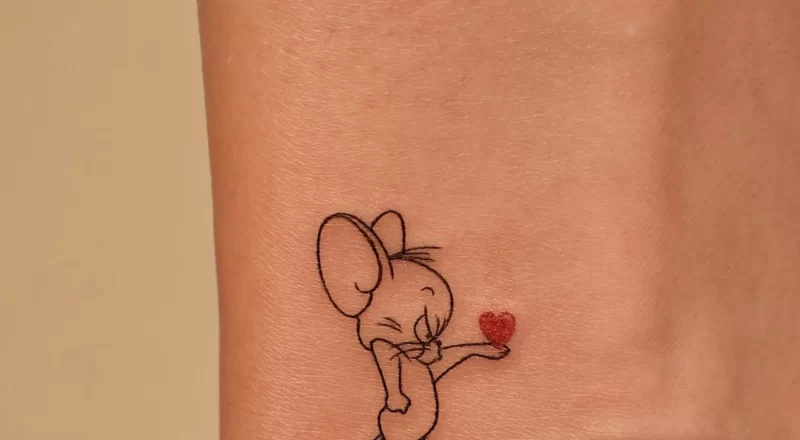
Do Fine Line Tattoos Age Poorly? I get asked this question often in my Melbourne studio, and it’s usually from clients who have spent hours scrolling through Instagram, swooning over delicate scripts, geometric designs and dainty floral motifs. And fair enough – a fine line tattoo created with single needles or a single round liner needle has its own beauty. But here’s the thing: not all tattoos age the same, and fine line tattoos, while elegant, carry their own set of long-term considerations when it comes to tattoo ink and UV exposure.
I’m Olha Po, working at Cosmetic Tattoo Studio Melbourne Face Figurati, and after years of experience as a cosmetic tattoo artist – where precision, pigment behaviour and skin health are everything – I’ve had many conversations about how ink settles into skin over time. In this guide, I’ll break down what actually happens as those lines live on your skin, how lifestyle and skin type influence the outcome and what you can do if you’re considering one of these minimalist style tattoos.
Why Minimalist Tattoos Are Trending
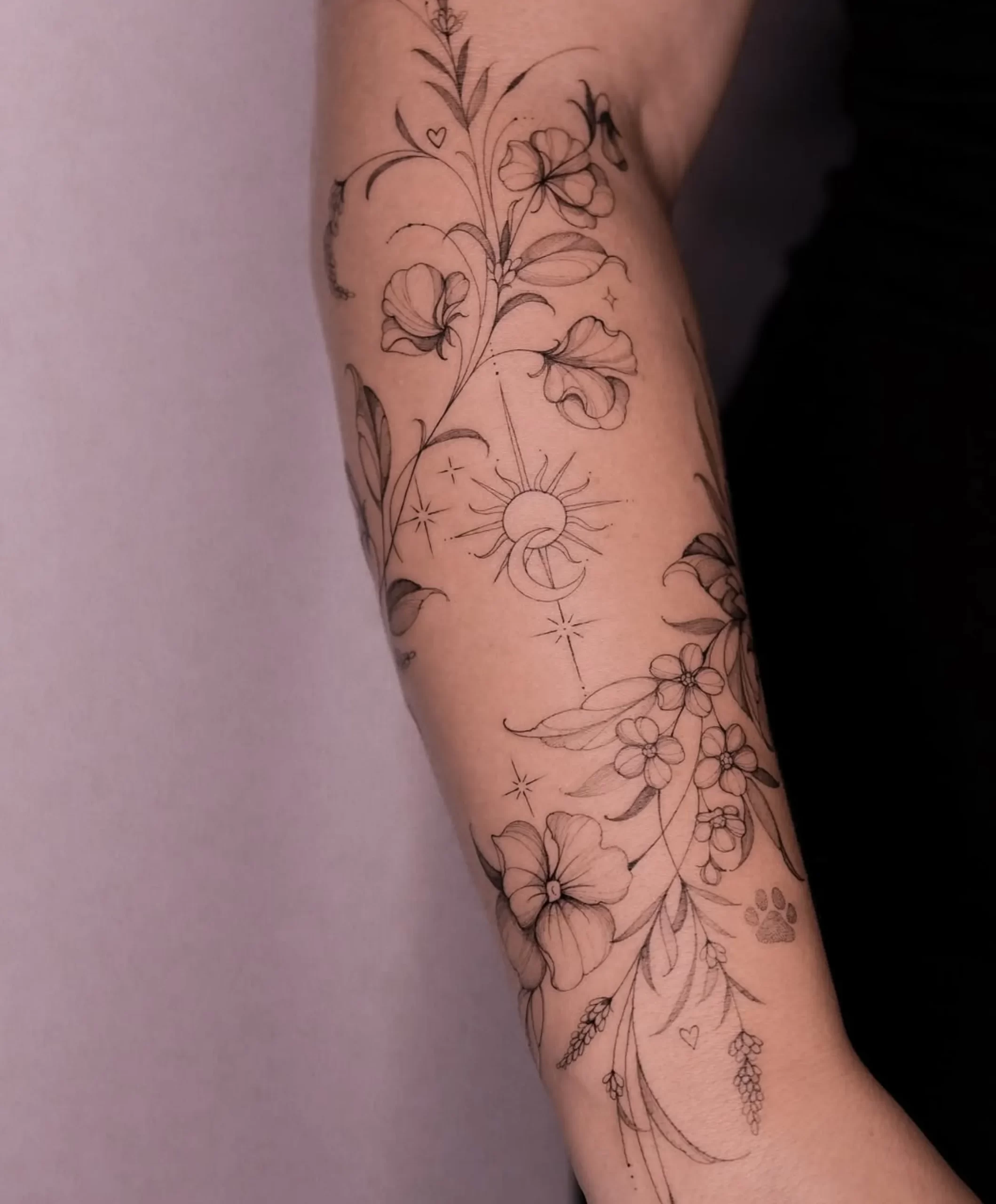
Fine line tattoos are a big part of today’s tattoo culture. They’re subtle, stylish and can say a lot without screaming for attention. Many clients in Melbourne love them because they can be both personal and professional friendly – a micro tattoo on the wrist can stay hidden during board meetings yet still feel meaningful.
Another reason they’re popular? They hurt less and often heal faster because they involve less trauma to the skin compared to bold portrait tattoos or black and grey realism. Tattoo machines set with single needles or even a three-round liner needle create crisp, delicate results. At Cosmetic Tattoo Studio Melbourne Face Figurati, we see clients choosing a fine line tattoo for its elegance and simplicity, even if it means committing to future touch-ups.
What Happens to Tattoo Ink as Skin Ages
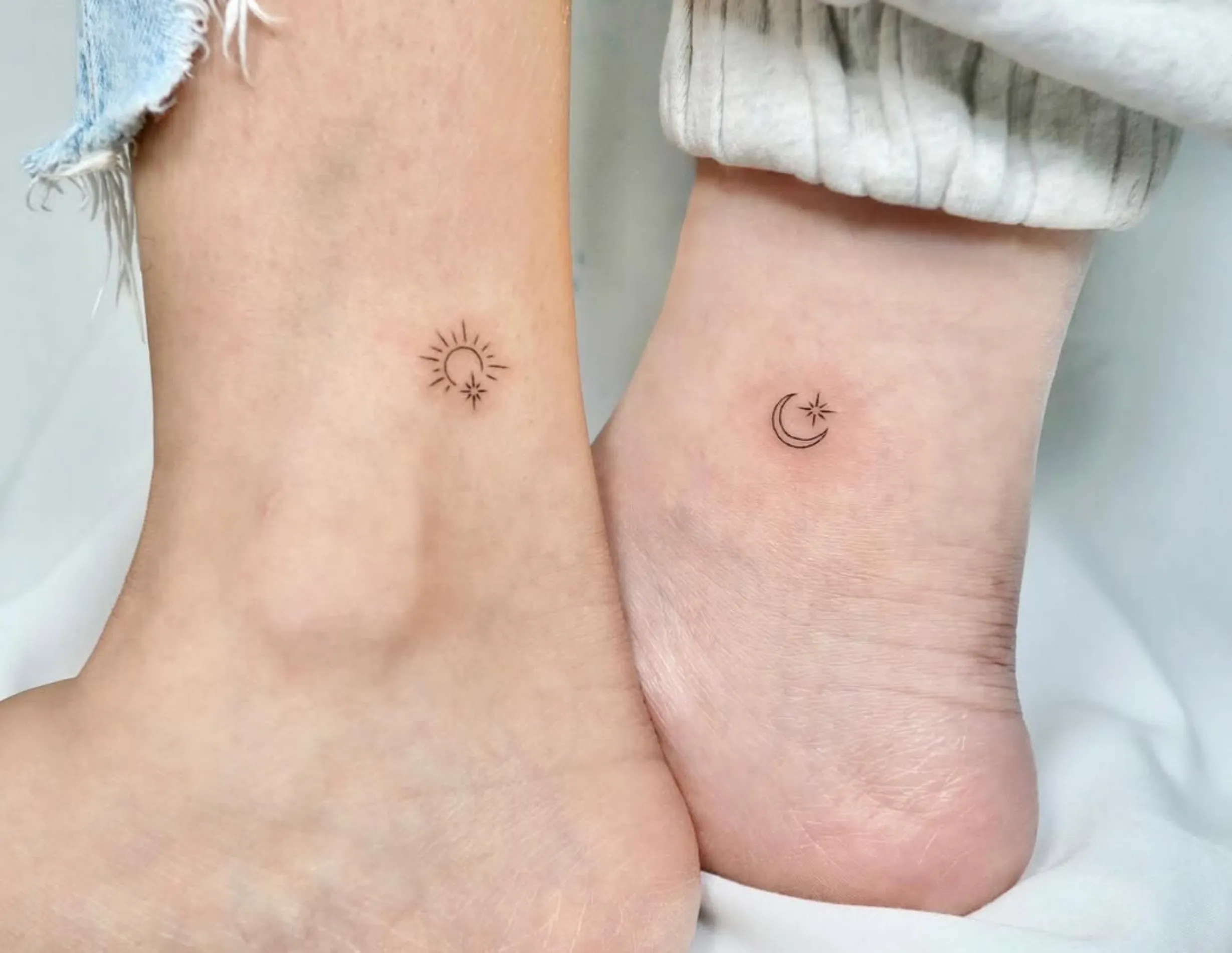
Tattooing isn’t just skin deep – but it’s not as permanent in appearance as many assume. Tattoo ink is deposited into the dermis layer of skin, and over time, the body’s natural healing process slowly breaks down those pigment particles.
As skin ages, it loses elasticity and firmness. Collagen production decreases, and skin starts to sag and stretch. All of this impacts how crisp a fine-line tattoo looks. For minimalist tattoos made with single needles, even minor spreading or UV rays breaking down colour can make geometric lines blur or fade.
Skin Type and Tattoo Longevity
Skin type affects how tattoo ink is handled. Oily skin pushes pigment out more easily, so fine line tattoos fade quickly. Dry or mature skin doesn’t retain pigment as evenly and can be patchy.
| Skin Type | Impact on Fine Line Tattoos |
| Oily Skin | Ink spreads more, lines blur faster |
| Dry Skin | Risk of patchiness, uneven healing process |
| Mature Skin | Less elasticity, more prone to spreading |
| Sensitive Skin | Higher chance of irritation and scabbing |
In the tattoo world, especially with minimalist style pieces, matching technique to skin type can make all the difference. A skilled tattoo artist knows that different skin types will hold a fine line tattoo differently.
How Do Delicate Tattoos Age?
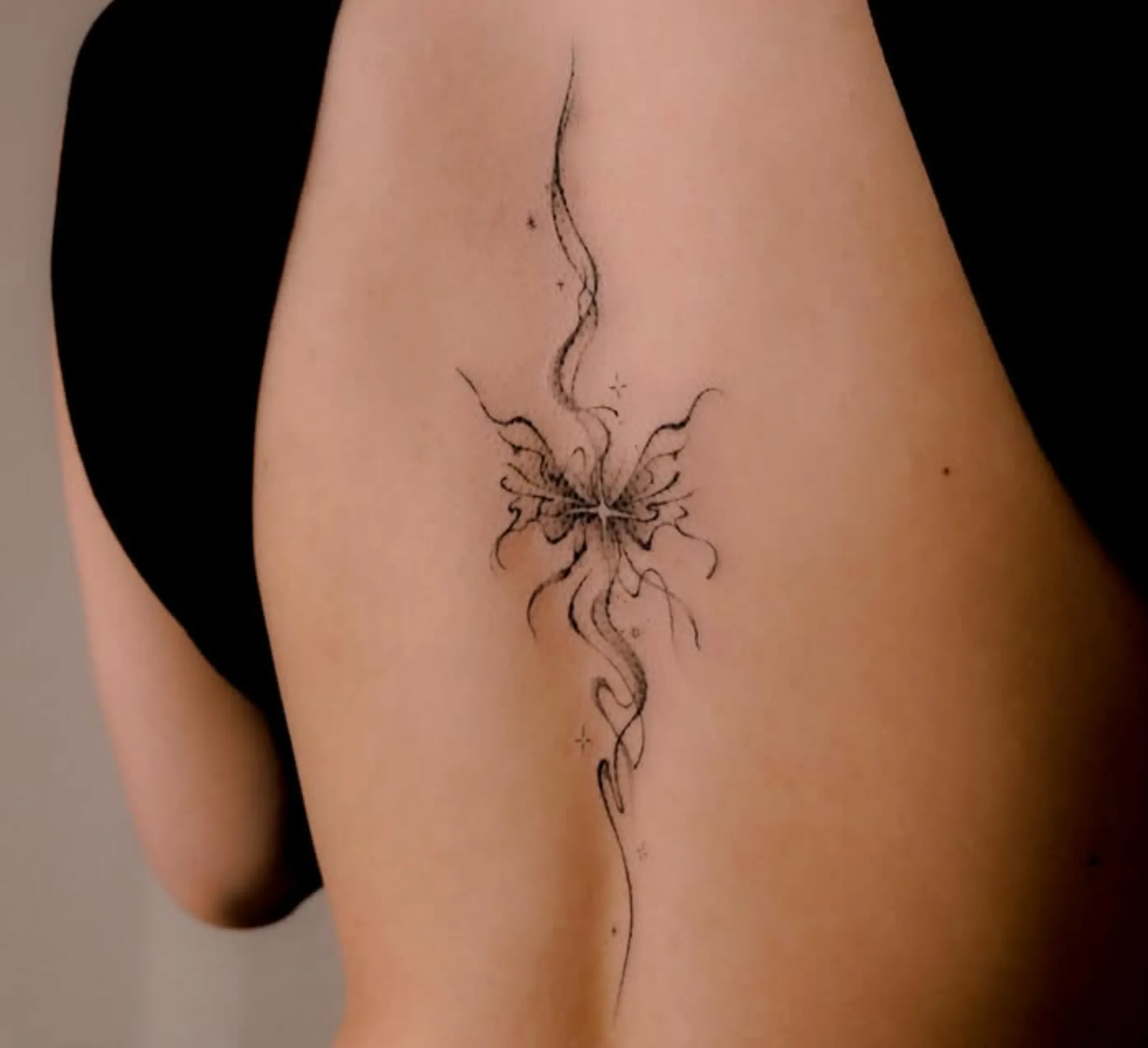
The truth is, fine line tattoos don’t age poorly, but they are more high-maintenance than bold black and grey tattoos. Think of them as high-maintenance art — stunning when fresh, but need touch-ups to stay sharp.
A 2024 study on tattoo longevity found that micro tattoos had a significantly higher rate of visible fading within the first 5–7 years compared to traditional bold work. Thicker outlines allow for some spreading. Fine line tattoos made with single round liner needles don’t, so even a millimetre of ink migration can change the whole look.
Lifestyle Habits That Affect Tattoo Ageing
How your tattoo ages isn’t just about the tattoo machine — it’s about your lifestyle too. Melbourne summers can be brutal, and sun exposure is one of the fastest ways to fade tattoo ink. I always remind clients that sunscreen isn’t just for your face — it’s for your ink too.
Other factors that speed up tattoo ageing include:
- Frequent tanning or UV exposure
- Smoking (which reduces skin elasticity)
- Rapid weight changes
- Using strong exfoliants or retinoids over tattooed areas
Placement Matters More Than You Think
Placement is everything when it comes to ageing line work. Areas with thin skin, lots of movement or friction are more prone to fading.
- Finger tattoos: High movement, constant washing, fade fastest.
- Feet & Ankles: Friction from shoes, uneven healing process.
- Ribs & Torso: Skin stretches with weight changes.
- Inner Arm: Holds geometric designs or continuous line tattoos better due to less friction.
Touch Ups: A Realistic Part of the Process
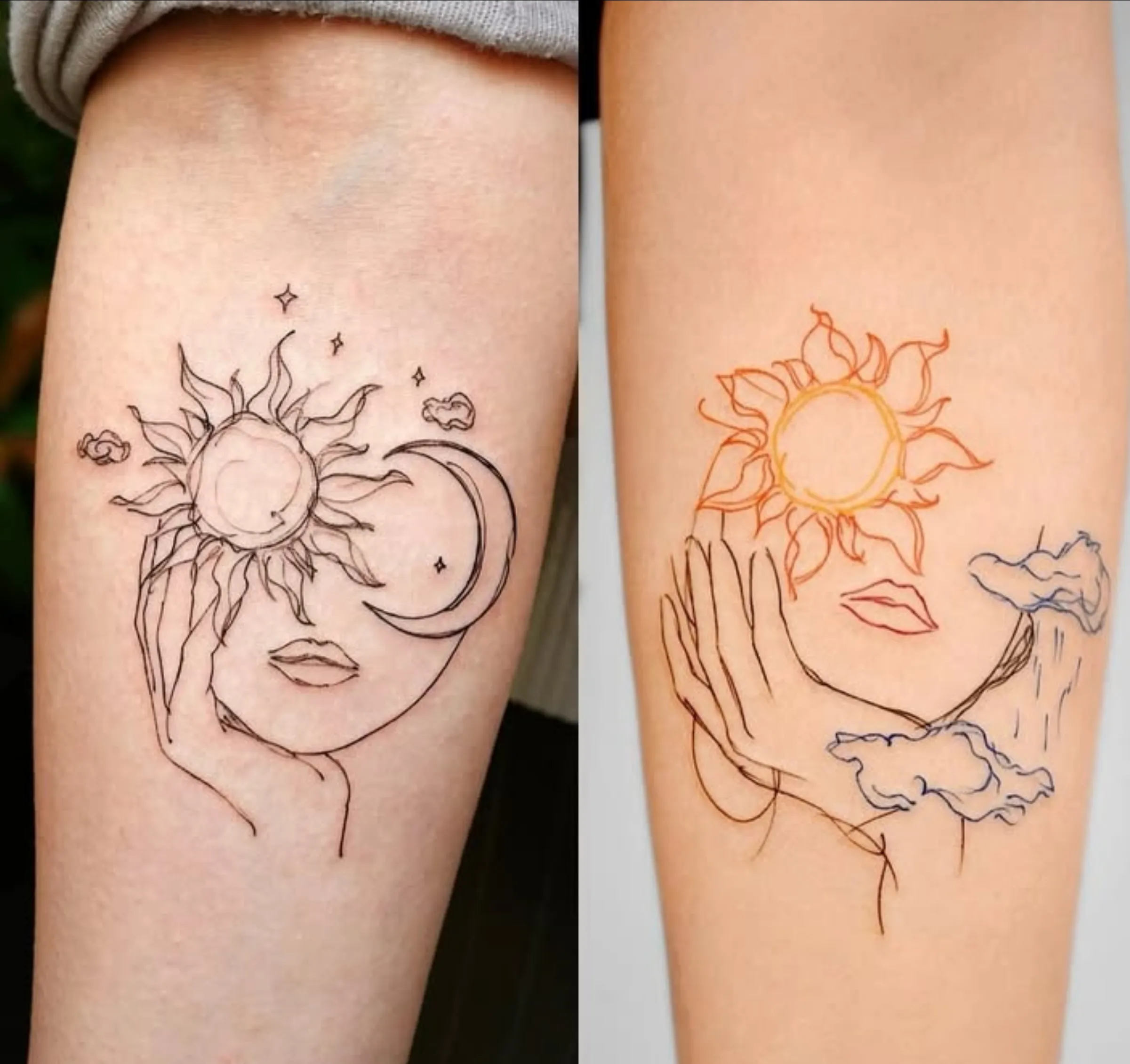
Touch-ups are a natural part of the tattoo experience. Just as cosmetic tattoos like brows or lips need refreshing, fine line tattoos need to be reinforced every 3–5 years. Touch-ups strengthen blurred lines, reinforce geometric lines or thicken minimalist designs to keep them sharp.
Comparing Delicate Tattoos With Bold Designs
| Tattoo Style | Ageing Outcome |
| Fine Line / Micro Tattoos | Higher risk of fading, blurring within 5–7 years |
| Bold Traditional | Holds shape well, forgiving of spreading |
| Black and Grey | Softens gracefully, ages evenly |
| Portrait Tattoos | Requires strong detail, risk of distortion over decades |
| Cosmetic Tattoos | Require refresh every 2–3 years |
Real Client Story — Minimalism Meets Reality
A client came into the studio with a delicate, continuous line tattoo on her wrist. It looked amazing when first done, but within 5 years it’s faded. We reworked it using a 3-round liner needle for reinforcement and added soft shading for balance. The result? Still minimalist but with more staying power.
How to Keep Your Tattoo Looking Fresh
- Choose a tattoo artist with healed fine line work in their portfolio.
- Follow aftercare properly to ensure the healing process runs smoothly.
- Moisturise regularly to support skin elasticity.
- Avoid sun exposure and use SPF against UV rays.
- Plan for touch-ups as part of your tattoo experience.
The Melbourne Factor — Local Skin Challenges
Living in Melbourne means dealing with hot summers, cold winters and unpredictable climate changes. Skin goes through cycles of dryness and UV exposure, which can affect tattoos. Clients who work outdoors — tradies, lifeguards, hospitality staff in sunny beer gardens — see faster fading. Those who stay consistent with sun protection and skincare see stronger retention.
Final Thoughts
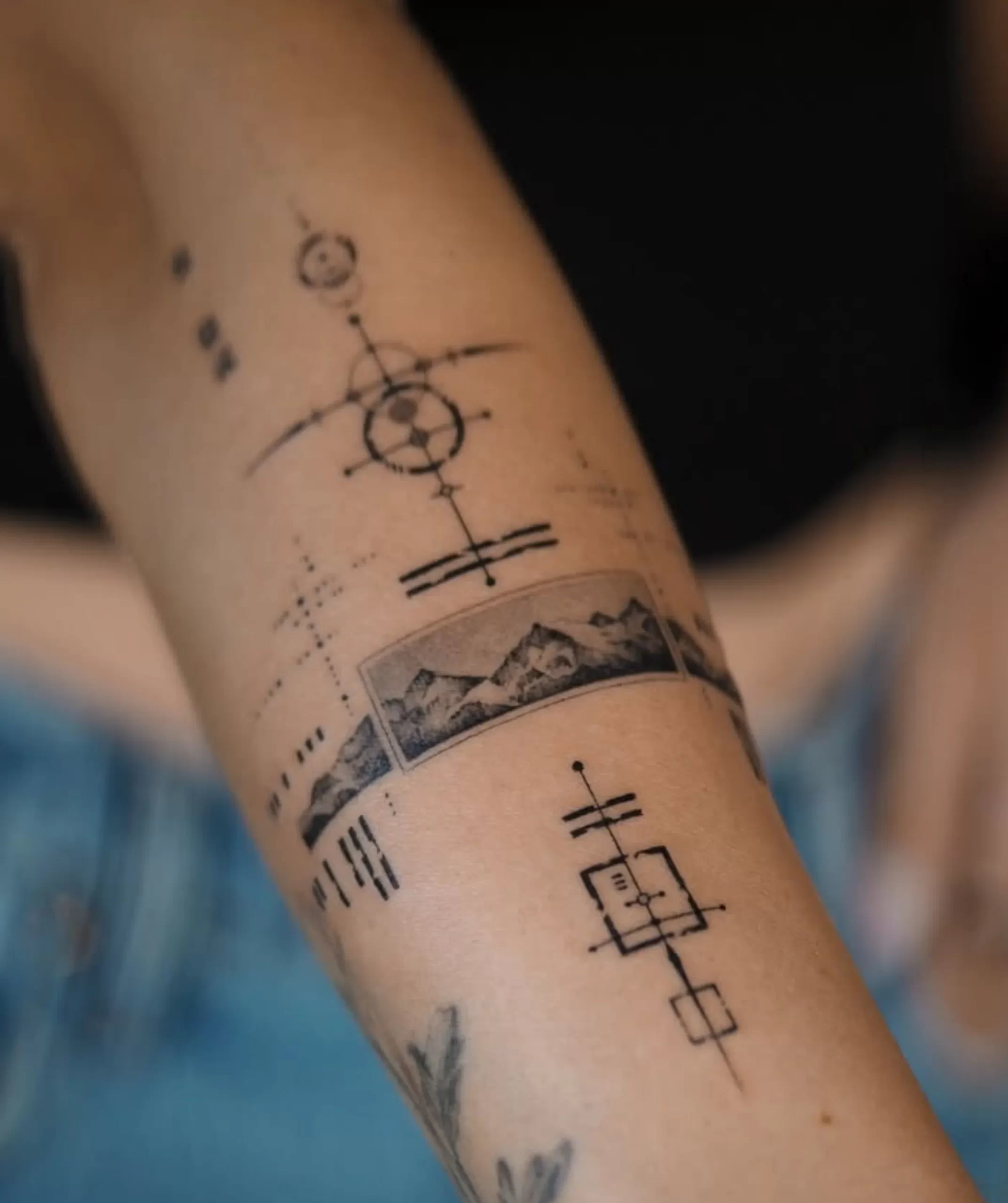
So, do fine line tattoos age poorly? They can, but they don’t have to. If you love minimalist tattoos, geometric designs or continuous line work, go in knowing they may require more touch-ups than bold tattoos. If you’re okay with that, they can be a meaningful, stylish choice.
At the end of the day, tattoos evolve with time, just like we do. They reflect not only the moment they were created but also the years that follow. If you’re curious about how micro tattoos, geometric lines or portrait tattoos will age on your skin, book a consult at Cosmetic Tattoo Studio Melbourne Face Figurati. The right tattoo artist can help you make an informed decision — and if you’re looking to get into the tattoo industry, even doing a fine line tattoo course might give you insight into why these designs behave the way they do.
FAQ
Are fine-line tattoos more painful than bold tattoos?
Not usually. Because they use single needles or fine tattoo machines, they are less traumatic and more comfortable.
How soon will fine-line tattoos fade?
Some fading can be seen within 2-3 years, especially on finger tattoos or areas with high UV exposure, but this varies with skin type.
Can blurred fine line tattoos be covered up?
Yes. A skilled tattoo artist can do a cover-up or thicken the design. In some cases, laser removal before reworking may be recommended.
Do all artists offer touch-ups for fine-line tattoos?
Not always. Some artists specialise in line work and minimalist designs, so always ask about their touch-up policy.
Are fine-line tattoos suitable for older skin?
They can be, but less elasticity in mature skin means line work may spread faster. Choosing the right tattoo machine and technique makes a difference.