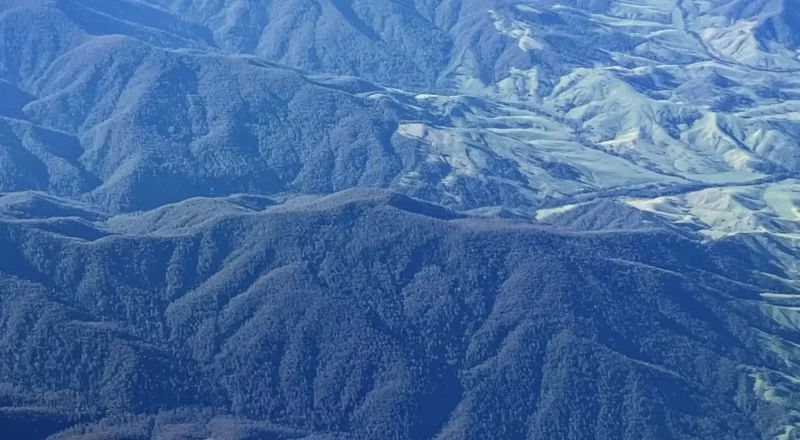
Why the Great Dividing Range will be Australia’s top summer escape for 2026 – a conclusion I reached the hard way – through months of sweat and frustration, stuck in the blistering heat and searching for shade that never seemed to come. Down in the lowlands, the heat just clings, the crowds get bigger, and short trips start to feel more like gruelling marathons the longer they go on. But take a hike up into the hills instead, and the difference is like night and day.
Let’s get one thing straight – this isn’t about ticking off tourist attractions. This is about finding a stretch of country where summer actually behaves itself – where you can still expect a decent day out without melting in the heat. That’s exactly what the Great Dividing Range delivers – a rare balance of cooler air, easy access and enough variety to keep you interested on a single road trip, so a start and finish can feel like two entirely different holidays – the perfect antidote to burnout.
How Elevation Saves Summer
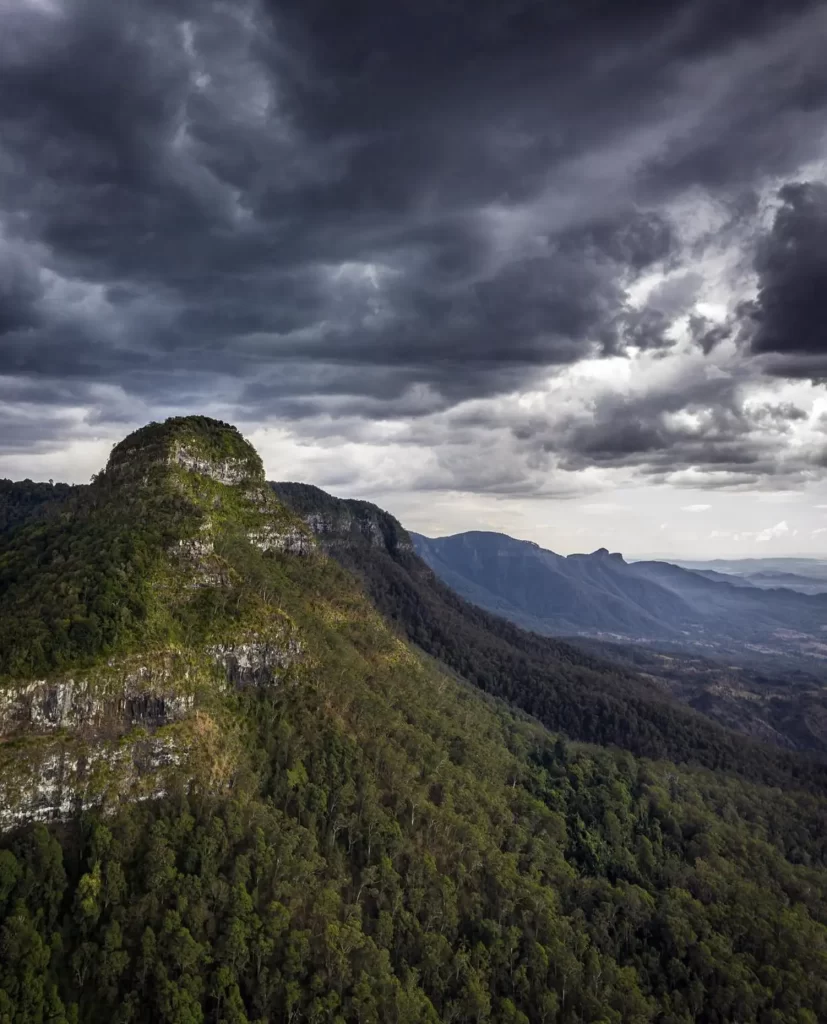
For years, I thought altitude was just a novelty in the range – a bit of a novelty that cooler air made everything more pleasant. But what’s really going on is that as you drive further up into the Australian Alps, the New England High Country or the tableland country of northern NSW, the temperature drops a few degrees – enough to make a real difference to your day.
I mean it’s no secret that night-time temperatures are a lot cooler in higher towns, but the Bureau of Meteorology stats (updated 2023) show a more surprising picture: daytime temperatures in these places are 6-10°C lower than in the lowlands – the difference, I can tell you, between being able to take a leisurely stroll or giving up and heading home half way through.
Of course, don’t think you can ditch the sunscreen just because you’re higher up. What you will find is that you don’t feel like you’re melting into the pavement.
Forests That Are Actually Useful
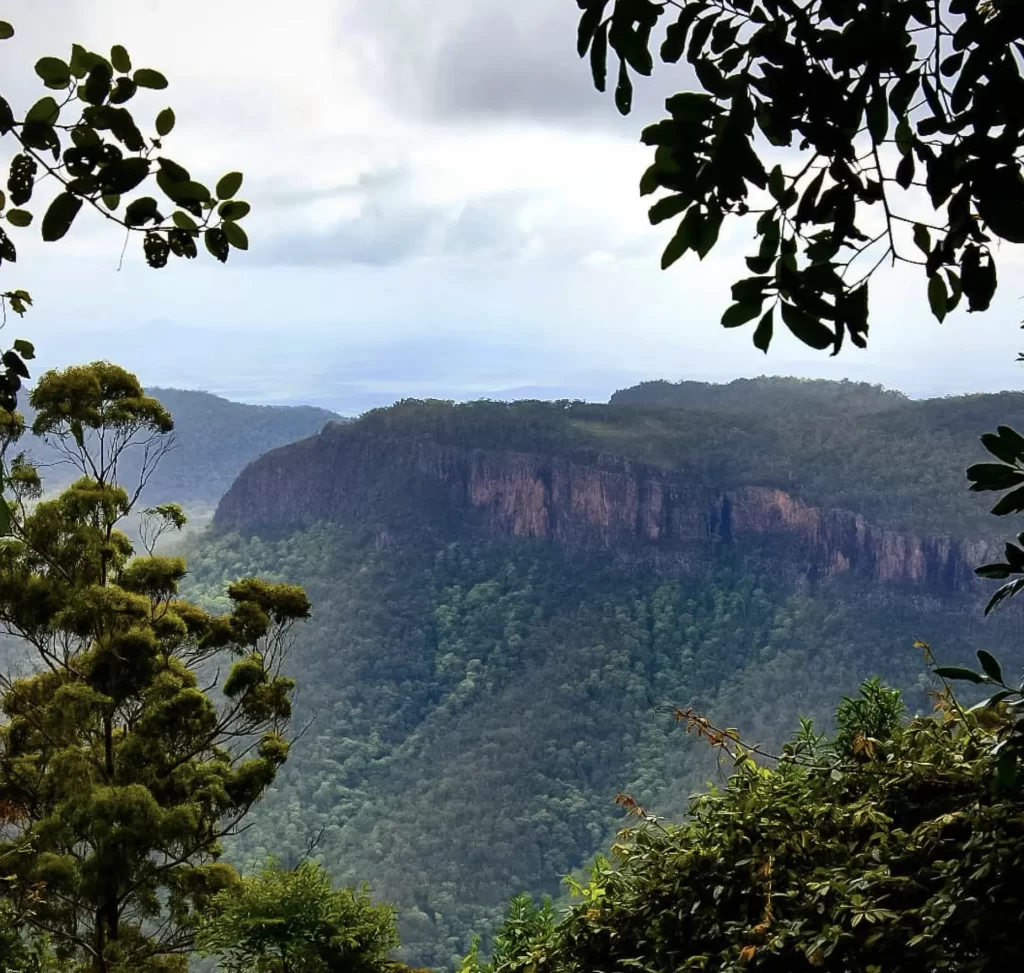
Eucalypt forests in the range aren’t just for show – they’re a vital part of the infrastructure. The denser canopy traps the sun’s rays and keeps the moisture locked in – so you can keep walking long after midday, when other places would be sweltering.
In the Blue Mountains, the valleys – like Jamison Valley and Grose Valley – create pockets of cool air that just linger even on the hottest of days. And then there are the walking tracks near Wentworth Falls or the Giant Stairway – they stay at least bearable when the coastal walks are just a heat-stricken nightmare.
A quick stop at Scenic World or Echo Point will give you a great view, then you can step back into the bush and be comfortable again.
Accessing the Blue Mountains Without the Long Haul
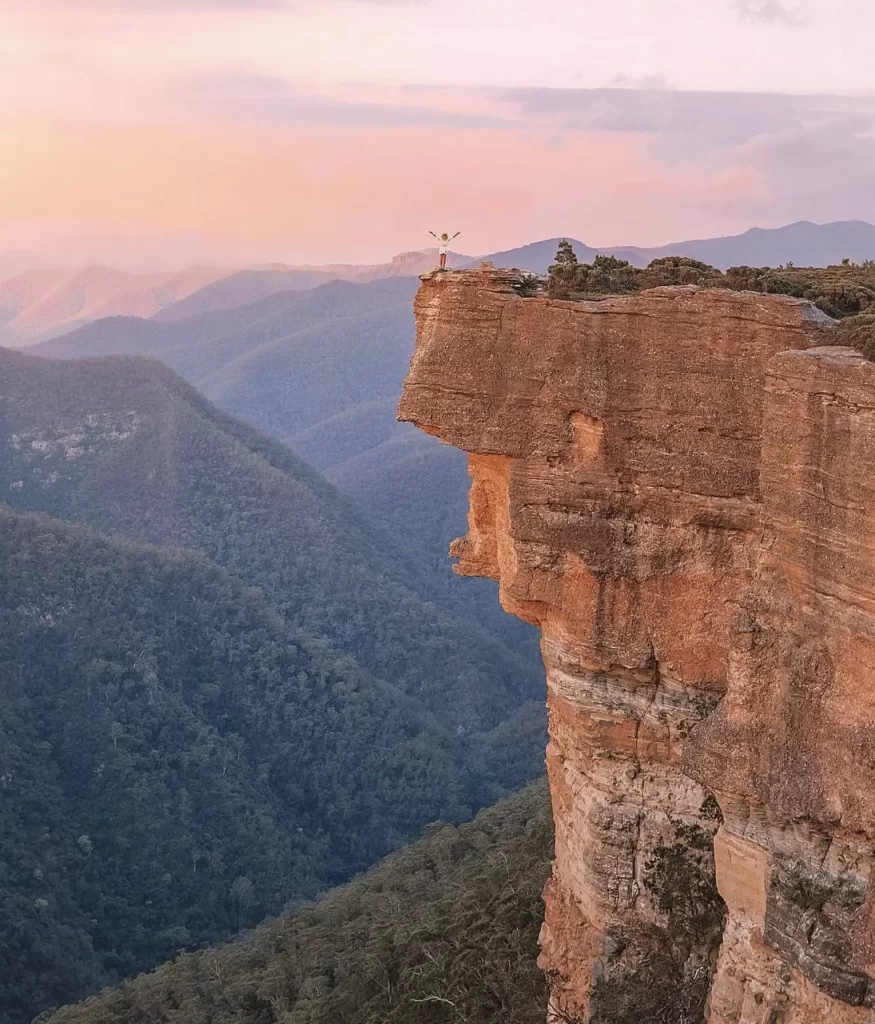
One of the things that makes the great dividing range start and finish is how quickly it gets you out of the heat. From Western Sydney, you can be climbing up out of the suburbs in no time – the Great Western Highway shoots you up fast, and suddenly you’re in a whole different world – one of sandstone, forest and that all-important cooler air.
Jenolan Caves and Yarrangobilly Caves are especially great for a summer detour – not just because of the underground spectacle, but also because the temperature down there is just the same whatever time of the year it is. When the sun is relentless, a trip underground can be just the best idea.
The beauty of this kind of trip is that the start and finish can happen within a weekend without using all your leave.
Alpine Country Without the Snowy Crowds
When winter finally comes to an end, the high country unfolds in a whole new way. The Australian Alps and Alpine National Park transform into landscapes of long ridgelines, sparkling rivers and peaceful camps – as opposed to lift queues and snow chains.
Around Mount Kosciuszko, summer brings out the walking tracks, cycling routes, and swimming holes that pop up across the alpine catchments. Just over the Victorian border, places like Wonnangatta Station or Mount William are waiting to reward visitors who are prepared to tackle rough gravel roads – and are happy to find themselves somewhere that’s virtually empty of the crowds you’d normally find during peak season.
Nights can still be pretty chilly even in summer – and that’s kind of the point.
Summer Road Trips That Don’t Feel Like A Hassle
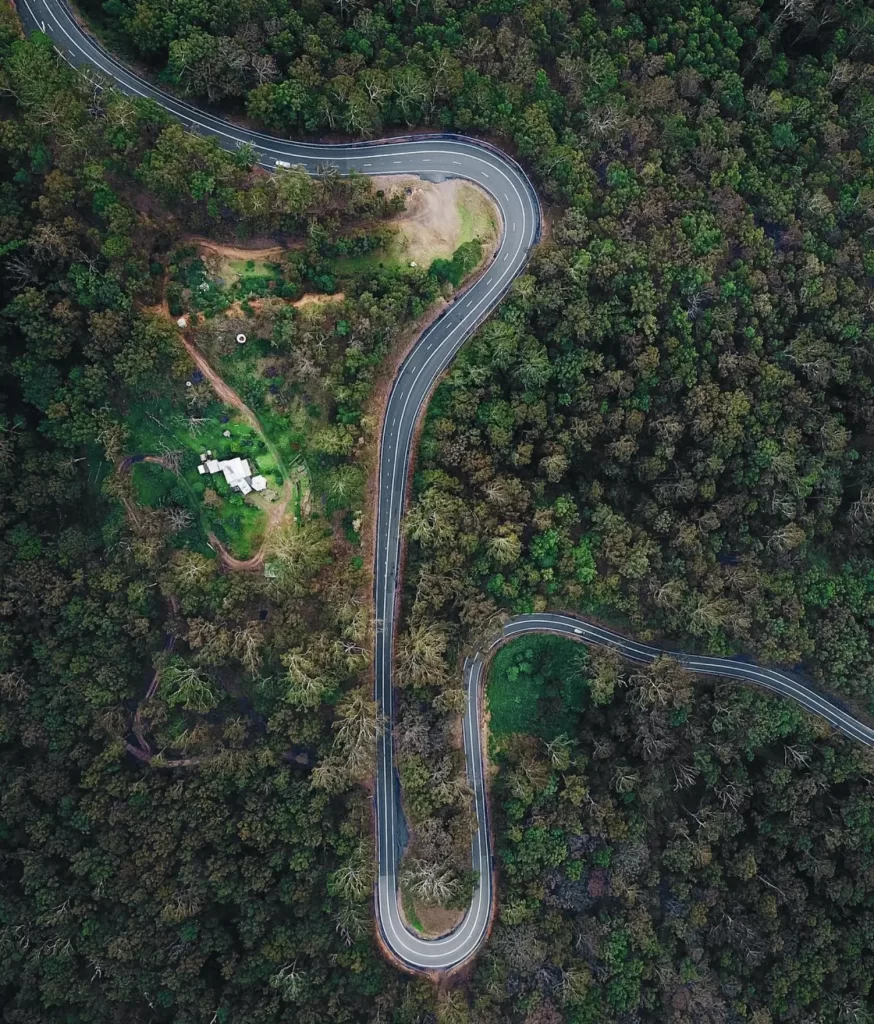
Summer road trips can sound like a real treat, but often end up being a drag – especially if you’re stuck on some congested coastal route. But the Great Dividing Range offers a different option: scenic drives that actually move, even in mid-January.
Try the Yarra Valley route, or the roads between the high country of New England and Northern NSW, or just take a detour inland to avoid the crowds at places like Byron Bay or the Gold Coast. You’ll still get to see local character, heritage architecture and regional produce stalls – just without the frustrating stop-start traffic.
It’s a good reminder that road trips don’t always need to be by the ocean to be any good.
Rivers That Stay Flowing in Summer
The Murray River starts up in the high country, and that’s no coincidence when it comes to summer. While downstream sections can get a bit sluggish, the upper river – fed by all that alpine rainfall – stays pretty lively.
According to hydrology summaries from Geoscience Australia (2024), the forested catchments along the range tend to maintain higher water flows even in summer because they receive more rainfall and runoff is less rapid. For travellers, that means clear swimming holes and canoe trips that are actually enjoyable.
Of course, do still check the conditions after any heavy rain – flash flooding can still happen.
Wildlife Encounters Without the Tropical Hassles
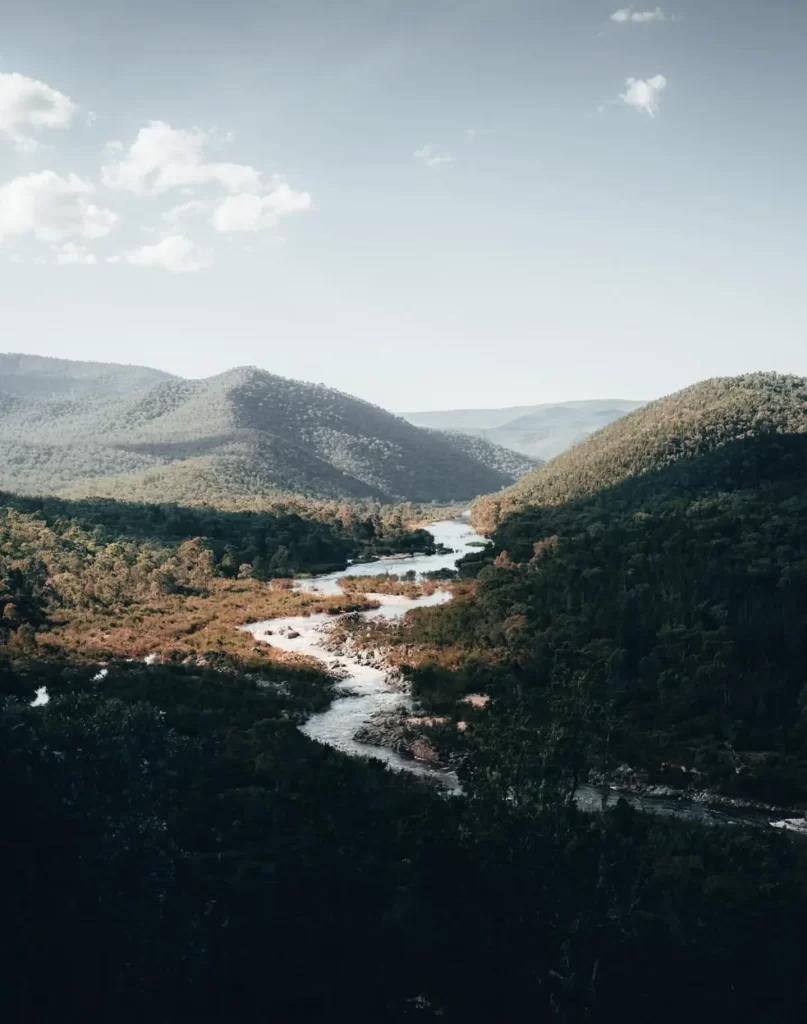
If you’re after summer wildlife experiences, you don’t need to go chasing after humidity and stingers. Along the Great Dividing Range, you can have a really good time spotting all sorts of wildlife – and it’s all in much more pleasant conditions.
You’ll see kangaroos grazing in the evenings, goannas sprawling across the tracks and all sorts of birds thriving in the milder forest conditions. Many NSW National Parks along the range are also important habitats for endangered species, making these areas crucial for conservation.
If you’re looking to get up close with the wildlife, you might be surprised to find out that some tour operators actually prefer working in these regions in summer – mainly because the conditions are a lot safer and more predictable than in the north.
How Does It Compare to Other Summer Options?
When you line all the options up, the Great Dividing Range actually holds its own pretty well against some of the more popular summer destinations in Australia.
| Summer Option | What It’s Like In January | Who It Suits |
|---|---|---|
| Byron Bay, Jervis Bay, Sapphire Coast | Crowded, humid, expensive | Beach-first travellers |
| Great Barrier Reef, Port Douglas | Wet season storms | Flexible schedules |
| Great Dividing Range | Cooler, calmer, adaptable | Road trippers, walkers |
| Great Ocean Road, Loch Ard Gorge | Packed, limited shade | Short visits |
The Great Dividing Range doesn’t get in the way of every destination – it just spares you most of the hassle that comes with doing it the other way around.
Camping the Easy Way
Camping along the range in Summer is more about dealing with the weather than sweating out the heat. As you head into the alpine and tableland areas, the evenings get cold fast and mornings can be pretty chilly too – you’d be wise to pack a jacket.
Bring some warm layers, a decent rain jacket and an awful lot of water – you can never have too much of a good thing. And yes, the facilities might be basic, but there’s an upside: the campsites are usually quiet and don’t feel crowded.
That’s something a proper loop around the range is worth it for – you really do get a full Great Dividing Range experience out of it.
When To Be Mindful of the Country In Peak Season
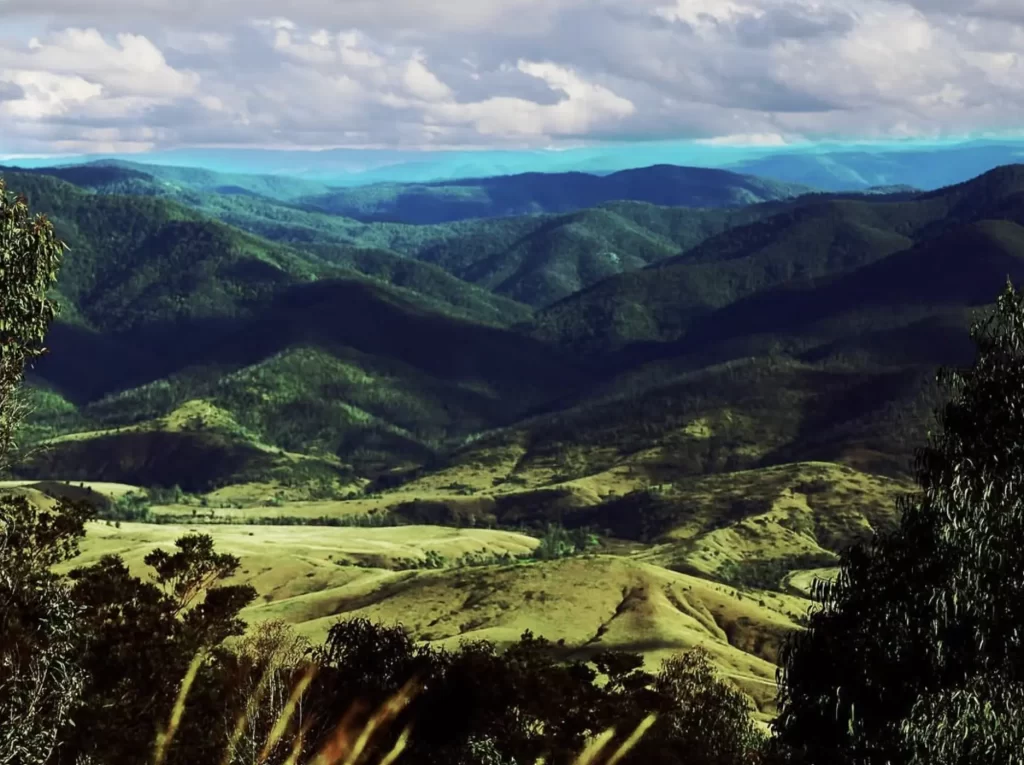
The Great Dividing Range runs through a heap of Aboriginal Nations, and summer’s not always the best time to be out there. Fire danger, ceremonies, and other activities that require careful management can quickly lead to access restrictions.
Keep an eye on local advice, respect closures, and don’t assume that just because you have a map you’re automatically allowed to go wherever you like. It doesn’t matter if you’re near Girraween, Royal National Park or further south in the Alps – cultural respect isn’t a nicety, it’s required to travel well.
Dealing With Summer Bushfire Risk – No Sugarcoating
Summer bushfire risk is a fact of life in this environment. As with anything in life, some years are more manageable than others. Before you head out, get in the habit of checking the latest fire updates every day, planning alternative routes, and travelling during the cooler parts of the day.
If the fire closes the road, don’t even think about trying to find a way around it – it’s better to wait.
Why This Summer’s The Time To Book
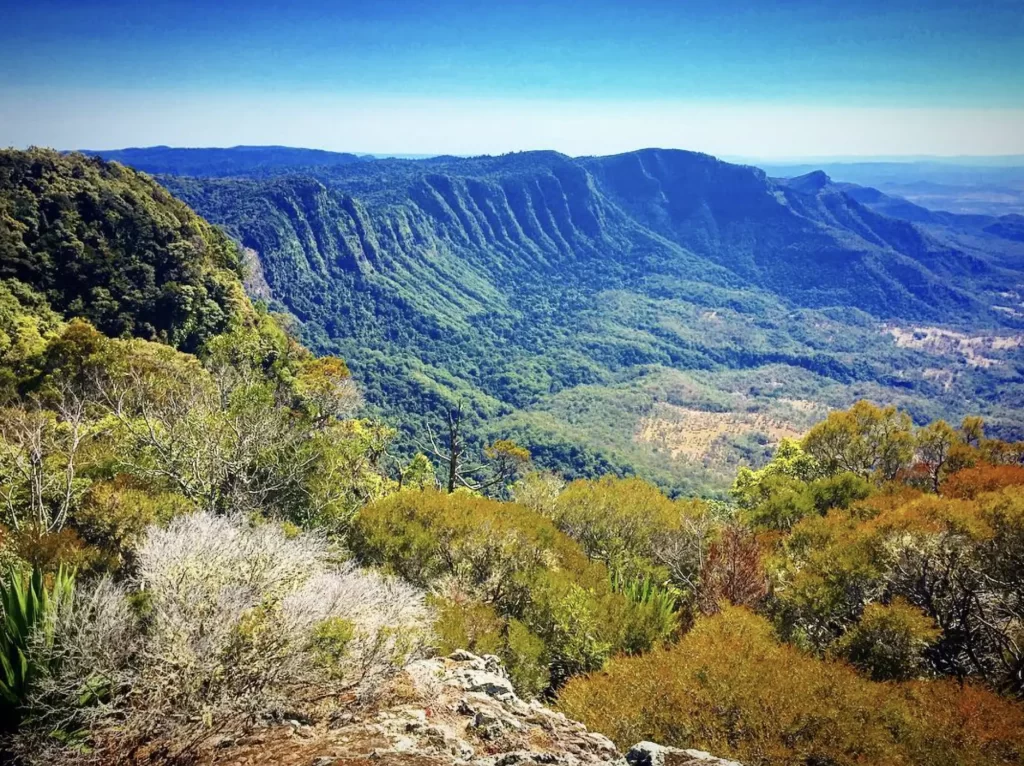
The BOM’s late 2025 climate outlook is painting a not-so-pretty picture for lowland and coastal travel this coming summer – more heat, more congestion and more last-minute closures. I think that’s what makes the Great Dividing Range so attractive – it offers all that flexibility that’s fast becoming a rare commodity.
You can shift your plans, venture into higher country, and still find some level of comfort. For those weighing the pros and cons of the inland route versus the crowded coast, that kind of adaptability is the main drawcard.
The Big Picture
If summer travel has started to feel like a chore rather than a holiday, the answer might lie in going up. The Great Dividing Range doesn’t exactly shout for attention, but it gets the job done – a welcome dip in temperature, some peaceful nights and loads of space to breathe.
Take a bit of a hike, dial the pace back a notch. Let the range just carry you from start to finish – no fuss, no hassle.
FAQ
Is the Great Dividing Range a viable option for quick getaways?
Yeah, it is. Loads of sections are within a few hours of the cities, so you can easily squeeze in a weekend away.
Do I need some fancy gear for summer travel, or is there nothing to worry about?
Not really, but do pack for when the weather decides to play up – temperature swings, rain, and don’t say I didn’t warn you about the isolation out in the sticks.
Are all the caves and alpine areas open for business in summer?
Most of them are, but keep an eye on the park’s website for updates – hours and access can change at a moment’s notice.
How busy is the Great Dividing Range compared to the coast then?
Pretty much dead quiet, even in the school holidays.
Can I still offer guided tours during the summer months?
Absolutely, many operators, such as Wildlife Tours, take advantage of the cooler conditions to provide a safer, more enjoyable experience.